

 Français
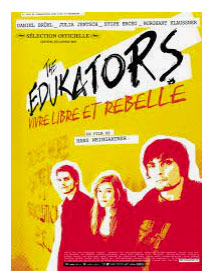
The Edukators
Synopsis
The Edukators follows Jule, Peter, and Jan, three idealistic young radical activists in Berlin who express their anti-capitalist rage not through violence, but by breaking into the luxurious mansions of wealthy industrialists and leaving mysterious, philosophical warnings like 'your days of plenty are numbered' instead of stealing anything. When Jule accidentally brings her wealthy businessman boss into her plot during a botched break-in at his sprawling villa, the trio is forced to kidnap him. As they flee to a remote mountain cabin in the Alps, an unexpected ideological debate and romance unfold among captor and captive.
The Making of the Film
Co-written and directed by Hans Weingartner, the film was conceived as a contemporary political drama exploring youthful idealism, anti-capitalist disillusionment, and generational ideology in modern Europe. The inspiration stemmed from observing the growing wealth disparity and the changing nature of political protest among twenty-somethings in Berlin. The production utilized authentic Berlin apartments and picturesque Austrian Alpine cabins to establish a grounded, realistic atmosphere.
Critical Reception
Critics universally praised The Edukators for its fresh energy, engaging political debate, and breakout performances by Daniel Brühl, Julia Jentsch, and Stipe Erceg. Reviewers highlighted the film's ability to balance serious ideological discussion with romantic tension and youthful charm without feeling preachy. The authentic character dynamics received widespread acclaim.
Audiences embraced the movie as an intelligent, thought-provoking political drama that captured the spirit of modern youthful rebellion.
The film earned major international acclaim, premiering in competition at the Cannes Film Festival and winning numerous European film awards for its screenplay and acting.
Behind-the-Scenes Stories
Hans Weingartner drew inspiration from contemporary European leftist political movements and his own observations of youthful radicalism in urban Germany.
Shooting remote mountain cabin scenes required intimate crew setups and intense rehearsal sessions among the three young leads.
During the filming of the villa break-in scenes, the actors improvised several philosophical dialogue exchanges regarding wealth distribution.
Casting Daniel Brühl brought immediate international credibility following his breakout success in Good Bye Lenin!.
Themes Explored
The film explores anti-capitalism, youthful idealism, generational compromise, political activism, kidnapping, and romantic tension.
Ending Explained
The open-ended conclusion shows the activists abandoning their militant campaign while the wealthy businessman reflects on his youth, symbolizing a complex generational truce.
Meaning of the Title
The original German title Die Fetten Jahre sind vorbei ('The Fat Years Are Over') reflects the political warning delivered to the wealthy capitalist elite.
Similar films include Good Bye Lenin!, The Dreamers, Fight Club, and Capernaum.