

 Français
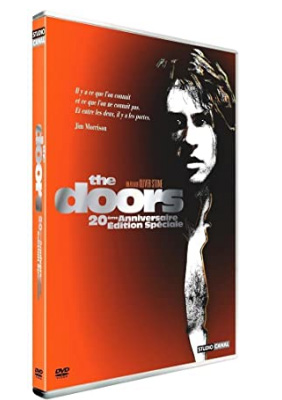
The Doors
Synopsis
The Doors follows the rise and fall of Jim Morrison, the charismatic and troubled lead singer of the legendary rock band. From his student days in Los Angeles to his stardom on the Sunset Strip, Morrison becomes a symbol of rebellion, poetry and excess. As fame, drugs and alcohol take over his life, his relationships with his bandmates and his girlfriend Pamela deteriorate. The film is a feverish, psychedelic portrait of a man who burns out at the age of twenty-seven.
The Making of the Film
The film was directed by Oliver Stone, who had been a devoted fan of the band since his time in Vietnam. A biopic about Jim Morrison had been discussed in Hollywood for years, with several directors and stars attached at various times. Stone took the project in the late 1980s and worked closely with the surviving members of the band, though not all of them agreed with his portrayal. He wanted to capture the intoxicating spirit of the 1960s rather than to follow a conventional biography. Val Kilmer spent months preparing for the role of Morrison, learning to sing the songs himself.
Reviews and Reception
Summary of Professional Reviews
Critics praised Val Kilmer's uncanny performance and the film's energetic, visually daring style. Many reviewers also felt that Stone's portrayal of Morrison was one-sided and overly indulgent, focusing on his excesses. Some of the people who knew Morrison, including surviving band members, criticized the film for its inaccuracies.
Audience Reception
The film had a modest box-office run, but over time it became a cult favorite among fans of the band and of rock cinema. Many viewers appreciate its hallucinatory atmosphere and the energy of the concert scenes. It is often recommended as a gateway to the music and legend of the Doors.
Filming Anecdotes
Director's Inspirations
Oliver Stone was drawn to Morrison as a poet and shaman figure, and he made the film a mystical, nightmarish journey. He used imagery drawn from Native American spirituality and from the counterculture of the era.
Production Difficulties
Val Kilmer immersed himself so deeply in the role that he learned dozens of songs and performed them live on set. The production recreated famous concerts and events from the band's history, requiring large crowds and elaborate sets. Disagreements with the surviving band members over how Morrison should be portrayed added to the challenges.
Anecdote About a Particular Scene
The recreation of the band's chaotic concerts, especially the notorious Miami performance, is one of the film's most intense sequences. Kilmer's vocal performance was so convincing that some of the music used in the film blends his voice with Morrison's original recordings.
Themes Explored
The Doors is a story about genius and self-destruction, showing how a young poet's search for transcendence becomes a path to ruin. It explores the countercultural dreams and disillusionments of the 1960s. The film also examines fame and its pressures, as Morrison becomes a symbol he cannot control. Love, loyalty and betrayal shape his relationships with Pamela and with the members of the band. At its core, it is a portrait of an artist who pushes his limits until they break him.
Ending Explained
The film ends with Morrison's death in Paris in 1971, in the bathtub of his apartment, where he is found lifeless. The final scenes link his death to his earlier visions and to the shamanic imagery that runs through the story. His grave in the Père-Lachaise cemetery becomes a place of pilgrimage for fans. The ending leaves the question of how and why he died deliberately mysterious, preserving the legend.
Meaning of the Title
The band took its name from Aldous Huxley's book The Doors of Perception, which in turn took its title from a line by the poet William Blake. The title refers to the idea of opening the doors of consciousness to see beyond everyday reality. It reflects the band's aspiration to explore the mysteries of the mind and spirit.
Original Soundtrack
The film is built around the music of the Doors, including classics such as "Light My Fire", "Break On Through" and "The End". Val Kilmer's performances of the songs are so convincing that they blend seamlessly with the original recordings. The music is the beating heart of the film.
Similar Films
- Walk the Line: a biopic about Johnny Cash.
- Bohemian Rhapsody: the story of Freddie Mercury and Queen.
- Control: a moving portrait of Ian Curtis of Joy Division.
- Almost Famous: a love letter to 1970s rock culture.