

 Français
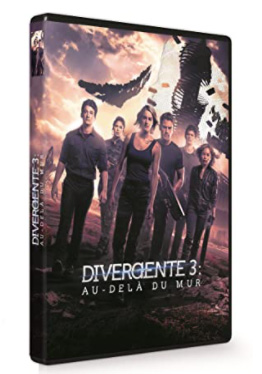
The Divergent Series: Allegiant
Synopsis
For the first time in history, Tris and Four venture beyond the towering security walls surrounding post-apocalyptic Chicago to discover what lies out in the toxic wasteland. They are captured by a mysterious, highly advanced technological organization called the Bureau of Genetic Welfare that monitors humanity's purity. Tris discovers that her Divergent status holds the key to healing corrupted human DNA, but she soon realizes the Bureau's leaders harbor sinister totalitarian intentions. Fighting alongside her loyal allies, she races back to save Chicago from biological cleansing. This sci-fi adventure expands the franchise's dystopian boundaries.
The Making of the Film
The concept for The Divergent Series: Allegiant was adapted from the final split novel of Veronica Roth's bestselling book trilogy. Director Robert Schwentke returned to helm the third installment, aiming to transport the franchise from a ruined urban setting into a sleek, futuristic, high-tech sci-fi environment. The production team sought to introduce advanced flying vessels, futuristic weapons, and complex genetic conspiracy themes. Screenwriters Noah Oppenheim, Adam Cooper, and Bill Collage worked to pivot the narrative toward a larger planetary conflict.
Critical Reception
Professional critics gave overwhelmingly negative reviews to Allegiant, criticizing its convoluted plot, weak visual effects, and significant departures from the beloved source novel. Reviewers noted that franchise fatigue had fully set in, resulting in a hollow cinematic experience that struggled to engage viewers. The public response was disappointing at the box office, leading Lionsgate to cancel plans for the final cinematic sequel and pivot toward a planned television conclusion that never materialized. Audiences expressed frustration over the split-book adaptation strategy. The film received multiple Golden Raspberry Award nominations.
Filming Anecdotes
Director Robert Schwentke drew inspiration from high-tech sci-fi classics like Blade Runner and The Matrix to design the sterile, utopian aesthetic of the Bureau. Production involved extensive location shooting in rural Georgia and soundstages equipped with advanced motion-capture and green-screen rigs. During the filming of the zero-gravity and red-dust storm action sequences, the cast underwent rigorous physical wire training. Before production wrapped, Robert Schwentke stepped down from directing the planned final film due to exhaustion.
Main Themes
The film explores themes of genetic purity versus natural diversity, institutional manipulation, corporate tyranny, and loyalty to friends. It highlights how powerful organizations often exploit scientific ethics under the guise of saving humanity. Furthermore, it champions personal sacrifice and freedom of choice.
Ending Explanation
The climax resolves the bio-weapon crisis when Tris manages to infiltrate the Bureau's control hub and release a memory-cleansing serum into the atmosphere above Chicago, neutralizing the threat to her home city. Having thwarted the Bureau director's genocidal plans, Tris and Four secure peace and promise a transparent future where humanity can finally rebuild without experimental manipulation. The film ends on an optimistic note of unity as the borders are opened and the citizens look toward a clean horizon.
Title Significance
The title refers to someone who is loyal, faithful, and steadfast to a cause or group, reflecting Tris's unwavering allegiance to her friends and home.
NULL
NULL
The Hunger Games: Mockingjay, The Maze Runner: The Scorch Trials, Divergent, Ender's Game