

 Français
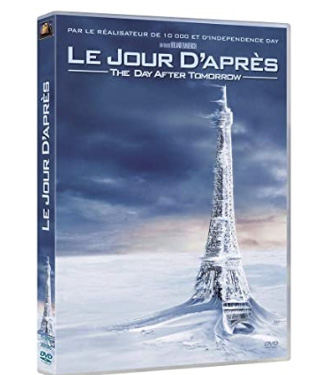
The Day After Tomorrow
Synopsis
A paleoclimatologist desperately tries to warn world governments that global warming is triggering a sudden and catastrophic shift in the Earth's climate system, leading to a new global ice age. When a massive superstorm system causes simultaneous colossal tsunamis to flood New York City, giant freezing supercells, and sub-zero temperatures that flash-freeze everything in their path, civilization collapses overnight. While millions evacuate south toward Mexico, the climatologist embarks on a perilous, freezing trek on foot from Washington D.C. to New York to rescue his trapped teenage son who is surviving inside the frozen New York Public Library. His courageous rescue mission becomes a race against planetary extinction.
The Making of the Film
Co-writer, director, and producer Roland Emmerich conceived the epic disaster blockbuster inspired by Art Bell and Whitley Strieber's non-fiction book 'The Coming Global Superstorm', driven by his passion for environmental themes and large-scale destruction cinema. The inspiration stemmed from wanting to create a cautionary sci-fi disaster film dramatizing the terrifying consequences of climate disruption. The production team pioneered advanced digital visual effects with Industrial Light & Magic to render towering tidal waves, freezing helicopters, and a buried Manhattan. The script was carefully structured around dual survival storylines.
Critical and Reception
Professional critics gave mixed reviews, praising the breathtaking, groundbreaking digital visual effects and thrilling disaster spectacle while criticizing the clichéd script, cheesy dialogue, and exaggerated scientific inaccuracies. Despite the critical panning, audiences rushed to theaters worldwide, turning the disaster epic into a massive global box-office blockbuster grossing over five hundred million dollars. Reviewers noted that the film delivered unmatched popcorn spectacle. Today, it is universally celebrated as a definitive disaster movie of the 2000s.
Filming Anecdotes
Director Roland Emmerich drew inspiration from classic disaster films like 'The Towering Inferno', historical ice age research, and weather anomaly accounts. Production faced monumental technical hurdles shooting on location in Montreal soundstages and cold exterior sets to recreate frozen Manhattan landscapes. During the library and ship-docking sequences, specialized wind machines and freezing practical effects were utilized. The studio invested heavily in pioneering CGI technology to render the catastrophic floods and blizzards.
Themes Explored
The film explores climate change, environmental hubris, father-son reconciliation, survival, and planetary catastrophe. It examines how humanity must unite across borders when facing extinction. Family devotion serves as the core emotional anchor. Additionally, global weather collapse provides an apocalyptic backdrop.
Explanation of the Ending
The narrative concludes with the climatologist reaching the frozen New York Public Library and rescuing his son and surviving classmates just as the eye of the superstorm passes, allowing rescue helicopters to spot them amidst the snow-covered skyscrapers of Manhattan. From the International Space Station, astronauts look down upon a clearing atmosphere and remark on how clean the Earth looks from above. The surviving humans begin the monumental task of rebuilding civilization. The resolution provides a triumphant, awe-inspiring closure to the disaster epic.
Meaning of the Title
The title refers directly to the imminent, terrifying timeline of planetary climate collapse—describing the immediate aftermath of global warming triggers occurring literally 'the day after tomorrow'—signifying urgency and catastrophe. It creates a punchy, alarming hook for a disaster blockbuster. It captures the core premise of the narrative.
Original Soundtrack
The film features a majestic and atmospheric musical score composed by Harald Kloser, earning acclaim for its sweeping orchestral arrangements and haunting choral pieces that expertly capture the terrifying scale of global freezing and the warmth of human survival. Kloser's compositions became a staple of disaster movie scoring. Critics and fans universally revere the soundtrack for its emotional resonance. The musical themes elevate the planetary spectacle to cinematic heights.
There are no recent major developments or active news items regarding this film.