

 Français
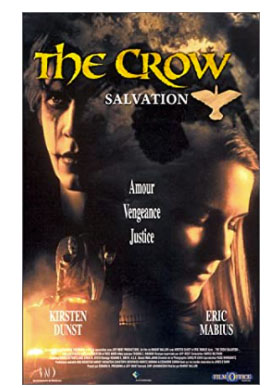
The Crow: Salvation
Synopsis
This dark supernatural action thriller follows Alex Corvis, a young man wrongfully executed in the electric chair for the brutal murder of his teenage girlfriend. Resurrected by a mystical crow seeking vengeance, Alex returns from the grave with superhuman healing and combat abilities to hunt down the corrupt police conspiracy that framed him. Navigating the rainy, gothic underworld of a dystopian city, he protects the victim's younger sister while systematically punishing the guilty. It is a stylish, atmospheric comic book revenge tale.
The Making of the Film
The project originated from Dimension Films' desire to expand James O'Barr's gothic comic book universe into a continuing franchise following the tragic success of the original 1994 film. Filmmakers sought to capture the moody, rain-soaked aesthetic and rock-infused atmosphere of the original cult classic while introducing a new protagonist. Inspiration was drawn from gothic pulp fiction, neo-noir crime thrillers, and industrial music culture. The creative team aimed to produce a stylized, direct-to-video action thriller for genre fans.
Critical Reception
Critics offered mixed-to-negative reviews, praising Eric Mabius's committed lead performance and the stylish gothic atmosphere while critiquing its predictable revenge plot and repetitive action sequences. Reviewers noted that while it failed to capture the tragic poetic magic of the original Brandon Lee classic, it functioned as an adequate, fast-paced B-grade action thriller. The gloomy visual design and industrial soundtrack received moderate praise. Despite lukewarm critical consensus, it found a loyal audience among franchise completionists.
Audience reception was moderately positive among fans of gothic action and comic book adaptations looking for dark escapism. Viewers on public platforms praised the cool supernatural kills, gloomy atmosphere, and Kirsten Dunst's supporting performance. Fans of the franchise appreciated that it respected the core mythology established in the comics. Word-of-mouth kept it afloat as a popular late-night rental.
Awards season brought no major mainstream nominations, though the film received occasional recognition at genre showcases for its makeup effects and stunt choreography. Critics' associations acknowledged the slick editing and atmospheric cinematography. While it did not alter the landscape of action cinema, it maintained a modest cult following among gothic film enthusiasts.
Behind-the-Scenes Stories
The director drew visual inspiration from classic gothic comic books, neon-lit noir cinema, and industrial music videos to establish a gloomy, rain-drenched aesthetic. Every alleyway and warehouse set was designed to feel cold, decaying, and hopeless, reflecting the protagonist's undead state. The production team collaborated with stunt coordinators to ensure that supernatural fight choreography looked brutal and flashy. These artistic choices created a recognizable franchise world.
Production presented fun logistical challenges, particularly in coordinating endless artificial rain machines and night shoots across Salt Lake City locations. Eric Mabius had to undergo extensive makeup application for his facial scars and white face paint before every grueling action sequence. Shooting during freezing night conditions tested the physical endurance of the cast and crew. Furthermore, managing tight budgetary constraints required efficient scheduling from assistant directors.
During the filming of the dramatic electric chair opening sequence, the actor utilized specialized harness rigs to simulate the violent jolts of execution. To maintain authentic intensity, the lead actor performed physical combat training extensively prior to principal photography. The crew utilized moody blue and purple lighting to accentuate the gothic tone. This collaborative environment resulted in stylish action delivery.
Casting focused on securing a rising young actor capable of stepping into the massive shadow cast by Brandon Lee's iconic legacy. Eric Mabius was chosen for his brooding intensity and gothic look. Supporting roles featured talented young star Kirsten Dunst, bringing emotional gravity to the supporting drama. This targeted casting strategy anchored the pulp revenge plot in genuine human empathy.
Themes Explored
The narrative deeply explores themes of supernatural vengeance, justice beyond the grave, and overcoming wrongful execution. It examines corruption, grief, and the eternal bond of true love transcending death. Additionally, it highlights redemption, protection of the innocent, and confronting inner demons. Ultimately, the film reflects on mortality, payback, and the dark poetry of retribution.
Ending Explained
The dark climax reveals that the corrupt police chief orchestrating the conspiracy is successfully exposed and destroyed when Alex impales him, fulfilling the crow's mission of vengeance. Having settled his debt and cleared his name, Alex's restless spirit finds peace and is reunited with his murdered girlfriend in the afterlife. The story concludes with the supernatural crow flying away into the rainy night sky.
Meaning of the Title
The title directly references James O'Barr's supernatural comic book property ("The Crow") and the protagonist's spiritual salvation through vengeance.
Similar Films
Films sharing similar gothic revenge and comic book adaptation themes include The Crow (1994), Spawn (1997), and Darkman (1990).