

 Français
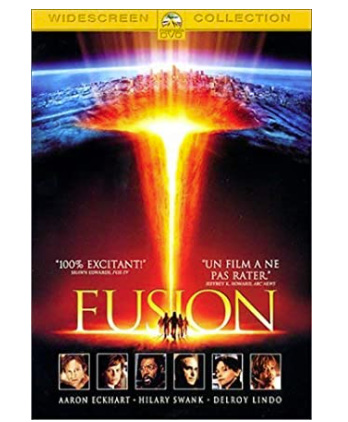
The Core
Synopsis
When the Earth's liquid outer core mysteriously stops spinning, the planet's magnetic field rapidly deteriorates, leading to catastrophic global disasters such as mass bird disorientation, sudden auroras in unexpected regions, and destructive super-storms caused by solar radiation. Geoscientist Dr. Josh Keyes and a team of international scientists are recruited by the United States government to embark on a desperate mission. Using a revolutionary vessel forged from Unobtainium—a fictional heat-resistant metal alloy—the crew drills straight down through the Earth's crust and mantle to set off nuclear charges in the core, hoping to jumpstart its rotation and save humanity.
The Making of the Film
Screenwriters John Rogers and Cooper Layne conceived the high-concept disaster movie by combining classic pulp science fiction tropes with modern geological disaster spectacles. Director Jon Amiel aimed to deliver an entertaining, fast-paced popcorn blockbuster reminiscent of classic 1970s disaster films. The production utilized extensive visual effects to depict iconic landmarks being destroyed by catastrophic weather and electromagnetic anomalies. The filmmakers consulted with various scientific advisors, though they ultimately embraced science-fiction liberties to heighten the cinematic thrills.
Critical Reception
Professional critics gave the film mixed to negative reviews, frequently poking fun at its wildly absurd scientific premises and formulaic disaster movie character archetypes. Reviewers pointed out numerous glaring impossibilities regarding geology, physics, and the mechanics of drilling to the center of the Earth. However, some critics acknowledged that the picture delivered mindless, high-energy entertainment for viewers willing to suspend their disbelief entirely.
The public reception at the box office was relatively modest, as the film struggled to turn a profit against its substantial production and marketing costs. Despite its lukewarm theatrical run, it later gained a cult following among fans of campy sci-fi disaster cinema who appreciate its earnest tone and over-the-top set pieces. It became a frequent fixture on television movie marathons.
The film received occasional nominations in genre-specific categories for its CGI destruction sequences and sound mixing, though it largely avoided major award recognition due to its polarizing scientific accuracy.
Shooting Anecdotes
Director Jon Amiel drew inspiration from classic pulp adventure novels and vintage disaster epics, focusing on dramatic countdowns and heroic self-sacrifice. He wanted the subterranean journey to feel increasingly claustrophobic and hazardous as the ship descended further into the earth.
Production faced complex physical challenges constructing the interior sets of the Virgil drilling ship, requiring actors to navigate cramped, metallic corridors while simulating violent seismic turbulence.
A dramatic sequence involving the destruction of the Colosseum in Rome required a massive combination of physical rubble sets and digital imagery to achieve the apocalyptic scale desired by the director.
Before the final ensemble cast featuring Aaron Eckhart, Hilary Swank, and Stanley Tucci was assembled, several different iterations of the script featured alternate mission specialists and character dynamics.
Thematic Exploration
Scientific cooperation, global unity in the face of extinction, technological hubris, and human sacrifice for the greater good.
Ending Explanation
After several crew members sacrifice their lives to ensure the mission succeeds, Josh and Rebecca manage to detonate the nuclear charges and escape to the surface just as the Earth's magnetic field is successfully restored.
Title Significance
The title refers directly to the molten center of the Earth, which serves as both the target destination for the desperate scientific mission and the source of the planet-threatening crisis.
News
The film is frequently referenced in popular culture and educational videos as a prime example of Hollywood's most scientifically outrageous disaster movies.
Similar Films
Armageddon, Deep Impact, 2012, The Day After Tomorrow