

 Français
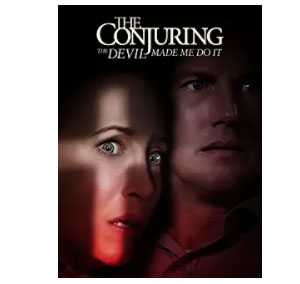
The Conjuring: The Devil Made Me Do It
Synopsis
Paranormal investigators Ed and Lorraine Warren are drawn into a shocking case in which a young man is accused of murder. His defence is unprecedented: he claims that he was possessed by a demon. As the Warrens search for the truth, they uncover a trail of occult symbols and dark rituals. Their investigation puts them face to face with a force more dangerous than any they have faced before.
The Making of the Film
The film is the third main chapter in the Conjuring series, which began with James Wan's 2013 horror hit. This time the story was inspired by the real case of Arne Cheyenne Johnson, who in 1981 was tried for murder in Connecticut. His lawyers argued that he was not responsible for his actions because he had been possessed. It is considered to be the first time in the United States that a possession defence was put forward in court. James Wan, who had directed the first two films, stayed on as a writer and producer while Michael Chaves took over as director. The script was written by David Leslie Johnson-McGoldrick, from a story by Wan and Johnson-McGoldrick. Patrick Wilson and Vera Farmiga returned as Ed and Lorraine Warren, anchoring the series once again. The film aimed to blend horror with a crime investigation, giving the franchise a new flavour. It was released in June 2021, both in cinemas and on streaming in the United States.
Critical Reception
Critics gave the film mixed reviews, with many noting that it felt less frightening than the earlier instalments. Several praised the chemistry between Wilson and Farmiga, who remain the emotional heart of the series. Others criticised the shift towards a more conventional detective plot. Overall, it was seen as competent but not as memorable as the first two films.
Audiences were glad to see the Warrens back on screen, and the film performed well given the pandemic conditions. It earned over 200 million dollars worldwide, which made it a strong success for the genre. Horror fans often debated whether it matched the atmosphere of the original film. Many agreed, however, that the central performances kept the story engaging.
The film was not a major awards contender, but it continued the franchise's status as one of the most successful in modern horror.
Behind-the-Scenes Stories
Chaves, who had previously directed The Curse of La Llorona, wanted to bring a more investigative approach to the series. He aimed to keep the focus on the Warrens' relationship, which gives the supernatural events their emotional weight.
The production took place during the pandemic, which required careful health protocols and led to a delayed release. The team nevertheless tried to keep the atmosphere tense through practical effects and carefully staged scares.
Themes Explored
The film explores faith, love and the struggle against evil. The bond between Ed and Lorraine is presented as their greatest strength against the forces they face. It also examines the idea of responsibility, asking whether a person can be blamed for something done under supernatural influence. The courtroom setting adds a new layer to the usual haunted-house formula. In the end, it suggests that love can be more powerful than fear.
Ending Explained
The Warrens eventually find the source of the curse and confront the occultist who has been manipulating events. Arne is freed from the demonic influence, but he still has to face the legal consequences of his actions. A closing note explains that he was found guilty of manslaughter and served part of his sentence. The ending also emphasises that Ed and Lorraine's bond remains unbroken, as they continue to face the unknown together.
Meaning of the Title
The title The Devil Made Me Do It refers to the defence used by Arne Johnson's lawyers in the real trial. It became a famous phrase associated with the case. The title therefore links the film to its true-crime roots. It also captures the uneasy question at the center of the story: where does responsibility end and possession begin?
Original Soundtrack
The score was composed by Joseph Bishara, who has been behind the series' music from the beginning. His work is known for its unsettling strings and sudden bursts of sound, which heighten the tension. The music plays an important role in building the film's sense of dread. Many fans consider Bishara's themes to be an essential part of the franchise.
Latest News
The series continued with The Conjuring: Last Rites, released in September 2025, which was presented as the final chapter in the Warrens' story. Patrick Wilson and Vera Farmiga returned once again, with Michael Chaves directing. The film was widely seen as a farewell to the characters that have defined the franchise.
Similar Films
If you enjoyed this film, begin with The Conjuring and The Conjuring 2. Annabelle and The Nun belong to the same shared universe. Insidious is another James Wan creation with a similar tone. The Exorcist remains the classic reference for stories of possession. For a more recent take on real-life hauntings, you could also try The Amityville Horror.