

 Français
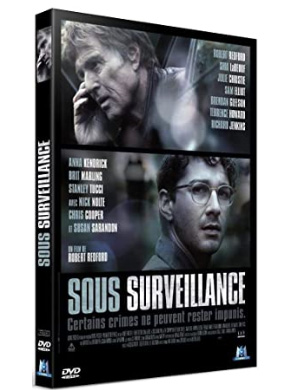
The Company You Keep
Synopsis
Jim Grant, a quiet lawyer in a small town, has been hiding a secret for decades. When a former member of a radical 1970s group is arrested for a bank robbery that turned deadly, his past comes to light. Hunted by the FBI and an ambitious young reporter named Ben Shepard, Jim goes on the run to find the one person who can clear his name. His journey forces old allies to confront what they once stood for.
The Making of the Film
The Company You Keep is based on the 2003 novel by Neil Gordon, which was inspired by the real-life story of radical activists from the 1960s and 1970s, such as members of the Weather Underground. Robert Redford directed the film and also starred as Jim Grant. The screenplay was written by Lem Dobbs, who adapted the novel into a political thriller. Redford, who had previously made films about politics and the media, was drawn to the theme of former radicals confronting their past. He assembled a large ensemble cast, including Shia LaBeouf, Julie Christie, Susan Sarandon, Nick Nolte, Sam Elliott and Stanley Tucci. The film premiered at the Venice Film Festival in 2012 before its release in 2013. It was a long-awaited return to directing for Redford.
Reviews and reception
Summary of professional reviews
Critics were mixed, praising the cast and the film's ambition but finding the plot somewhat slow and contrived. Many noted that the film raised interesting questions about political idealism and responsibility. Redford's performance and direction were seen as dignified if not groundbreaking.
Audience reception
The film earned only about 8 million dollars worldwide, a modest result for a film with so many well-known actors. Audiences who enjoyed serious, adult thrillers appreciated its intelligence. Over time, it has been recognized as a thoughtful drama about the legacy of political protest. It remains less known than Redford's other directorial works.
Awards and nominations
The film did not receive major awards but was shown at the Venice Film Festival, which brought it international attention. Its ensemble cast was widely praised. It was nominated for a few smaller prizes.
Filming anecdotes
Director's inspirations
Redford was inspired by the history of the 1960s radicals and by the question of how they live with the choices they made. He had personal memories of the period and wanted to examine its legacy. The film's approach is that of a classic 1970s political thriller.
Production difficulties
The film was shot in several cities in the United States and Canada. Managing such a large ensemble cast required careful scheduling. Many of the actors appear only in a few scenes, which turned the production into a series of short, intense shoots.
Anecdote about a particular scene
The film's climactic meeting between Jim and Mimi Lurie, played by Julie Christie, is the emotional heart of the story. The scene is full of unspoken history and regret. Another standout is the confrontation between Jim and Ben, in which the young reporter learns how complicated the truth can be.
Themes explored
The film explores the long shadow of political activism and the question of whether youthful ideals can survive adulthood. It examines guilt and responsibility, as characters must face the consequences of violent acts committed in the name of a cause. The role of the press and the pursuit of truth are central, represented by Ben. It also looks at family and sacrifice, since Jim's daughter is at risk. The story asks whether justice can be separated from politics. Above all, it is a meditation on loyalty and conscience.
Ending explained
Jim tracks down Mimi Lurie, who can testify that he was not involved in the fatal robbery. After a tense conversation, Mimi decides to turn herself in, which clears Jim's name. Ben Shepard publishes his story about the events and sees the human side of the case. Jim is finally reunited with his young daughter. The ending offers a sense of closure, though it leaves the moral questions open.
Meaning of the title
The title comes from the proverb that you are known by the company you keep. In the film, it refers to the friends and allies from Jim's radical past, who continue to define him decades later. It suggests that your associations shape your identity and your fate. The title also hints at loyalty and guilt by association.
News
Robert Redford, who directed and starred in the film, passed away in 2025, and his work as a filmmaker and activist has been widely celebrated since. The film is regularly rediscovered as part of his later career.
Similar Films
- All the President's Men (1976): a political thriller starring Robert Redford.
- Three Days of the Condor (1975): another Redford thriller about conspiracy.
- The Fugitive (1993): a man on the run tries to clear his name.
- Syriana (2005): a complex political drama with an ensemble cast.
- The Good Shepherd (2006): a drama about secrecy and loyalty.