

 Français
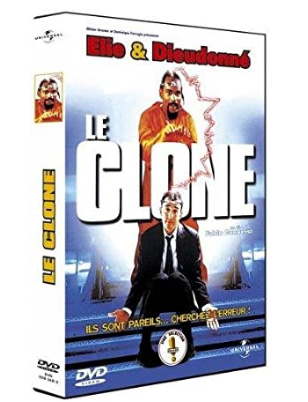
The Clone
Synopsis
Set in a near-future society where genetic replication has become a reality, a man discovers the existence of his own engineered clone. As their lives unexpectedly intersect, deep questions regarding identity, originality, and moral responsibility come to the surface. The protagonist must confront his deepest insecurities while navigating the eerie psychological mirror image of himself. Together, they unravel the corporate conspiracy that brought them into existence.
The Making of the Film
Director Fabio Conversi conceived the psychological sci-fi premise during a period of rising global debate surrounding scientific cloning and genetics. The production aimed to explore ethical dilemmas through an intimate, character-driven narrative rather than massive action spectacle. European independent studios financed the thought-provoking science fiction drama.
Critical Reception
Critics gave the film modest reviews, praising its atmospheric tension and philosophical ambition while noting certain budgetary and pacing limitations. Reviewers highlighted the lead actors ability to carry dual personas with distinct psychological nuances. Some critics felt the script relied too heavily on familiar sci-fi genre tropes, but overall reception acknowledged its intellectual curiosity.
Public reception was niche, finding an appreciative audience among hard science fiction enthusiasts and art-house cinema fans. Viewers enjoyed the moody atmosphere and the philosophical questions raised about human uniqueness. It became a compelling hidden gem of late-90s European science fiction.
The film received recognition at regional European film festivals for its screenplay and atmospheric cinematography. Its exploration of genetic ethics gained renewed discussion in later years as biotechnology advanced. The atmospheric score was particularly praised by genre fans.
Filming Anecdotes
Director Fabio Conversi drew inspiration from classic philosophical literature and contemporary cyberpunk aesthetics to build a moody, minimalist future. He chose to rely on subtle lighting shifts and camera angles rather than expensive special effects to distinguish the characters. His direction focused on psychological realism and quiet tension.
Production operated on a modest independent budget, requiring strict scheduling and precise blocking for split-screen and double-exposure sequences. The lead actor had to perform intense scenes opposite himself, requiring immense concentration and technical coordination with the camera crew. Shooting took place in sleek, modernist European urban locations.
A memorable sequence involves the protagonist confronting his clone in a sterile laboratory hallway under flickering fluorescent lights. The scene captures the eerie dissonance of looking directly into your own mortality and past choices. The precise framing heightened the psychological tension.
The casting process focused on finding a versatile lead actor capable of portraying two distinct psychological states with subtle differences. The chosen lead brought intense emotional depth and physical discipline to the dual roles. Supporting actors were selected to anchor the corporate conspiracy subplot.
Themes Explored
The film explores identity, individuality, the ethics of human cloning, and the psychological weight of self-reflection. It questions what makes a human soul unique beyond mere genetic code. Artificial creation versus natural birth is a central philosophical motif.
NULL
Title Significance
The title directly references the scientific concept of genetic duplication driving the narrative conflict. It highlights the central mystery of duplication and individual uniqueness.
NULL
NULL
Similar Films
Other similar films include Moon, Gattaca, and The 6th Day.