

 Français
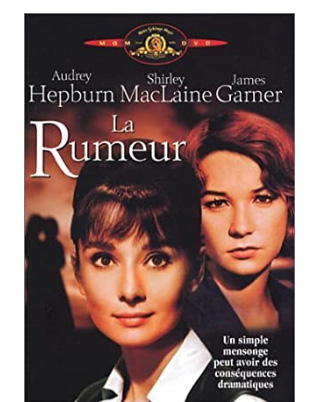
The Children's Hour
Synopsis
Karen Wright and Martha Dobie are two dedicated college friends who have spent years successfully running an exclusive private boarding school for young girls in New England. Their peaceful lives and upcoming marriages are shattered when a spiteful, manipulative student named Mary fabricates a malicious lie about them. Spurred on by the vindictive rumor, parents pull their children out of the school, plunging the institution into a devastating scandal. As the toxic gossip spreads through the town, the two women face social ruin and must confront repressed emotional truths.
The Making of the Film
Director William Wyler adapted the film from Lillian Hellmans groundbreaking 1934 Broadway play of the same name, which Wyler had previously adapted into the 1936 film These Three due to censorship. In 1962, Wyler was finally able to film Hellmans original story addressing lesbian themes without studio censorship restrictions. The production starred Audrey Hepburn and Shirley MacLaine in powerful dramatic roles.
Critical Reception
Critics gave the film positive reviews upon its release, praising its brave tackling of taboo subjects, sharp screenplay, and powerhouse performances from Audrey Hepburn and Shirley MacLaine. Reviewers noted that while Hollywood handled the sensitive material with dramatic restraint, the emotional core remained devastating. Some critics felt the theatrical origins made the staging feel somewhat confined, but overall reception praised its integrity.
Public reception was modest, as audiences in 1962 were still conservative regarding LGBTQ+ themes, resulting in a restrained box-office run. However, film historians have since reappraised the movie as a pioneering classic of psychological drama and social tragedy. Its handling of malicious gossip remains remarkably powerful.
The film earned five Academy Award nominations, including Best Supporting Actress for Fay Bainter and Best Art Direction. Shirley MacLaine and Audrey Hepburn received widespread acclaim and Golden Globe nominations. Its historical significance as a censorship milestone is profound.
Filming Anecdotes
Director William Wyler drew inspiration from Lillian Hellmans theatrical masterpiece and real-life historical accounts of societal destruction caused by gossip. He chose to shoot on controlled, somber soundstages to create a claustrophobic, oppressive atmosphere. His direction encouraged Audrey Hepburn and Shirley MacLaine to explore deep emotional vulnerability.
Production went smoothly, supported by Wylers meticulous attention to detail and respectful handling of sensitive dramatic material. Audrey Hepburn brought grace and quiet dignity to her schoolteacher role. Shirley MacLaine delivered a harrowing, emotionally raw performance as Martha.
A memorable sequence involves Martha breaking down in tears confronting Karen about repressed romantic feelings after the scandal destroys their lives. The scene is a masterclass in tragic cinematic confession. MacLaines heartbreaking delivery anchors the emotional climax.
The casting process brought together two of Hollywood most beloved megastars for challenging dramatic roles. Audrey Hepburn was cast as Karen, bringing immediate audience sympathy. Shirley MacLaine was chosen to play Martha, delivering one of the finest dramatic performances of her legendary career.
Themes Explored
The film explores the destructive power of malicious gossip, homophobia, social ostracism, truth, and repressed identity. It highlights how society easily destroys innocent lives based on vicious rumors. Tragic isolation results from intolerance.
NULL
Title Significance
The title refers to the poetic notion of childhood hours, contrasting the innocent facade of the students with the destructive cruelty of their malicious lies. It highlights the vulnerability of adults to youth betrayal.
NULL
NULL
Similar Films
Other similar films include Guess Who's Coming to Dinner, A Streetcar Named Desire, and Ordinary People.