

 Français
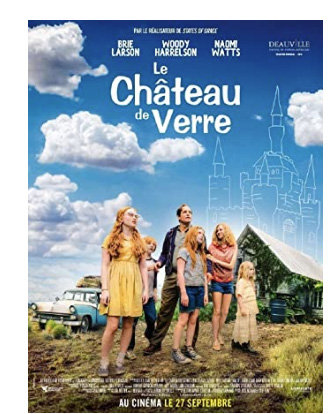
The Castle of Glass
Synopsis
Based on Jeannette Walls' bestselling memoir, the film follows the turbulent and unconventional upbringing of a young girl raised by eccentric, deeply dysfunctional nomad parents. While her charismatic yet alcoholic father fills her imagination with grand dreams and plans to build their dream glass house, her mother is an erratic artist who resists domestic stability. As financial ruin, poverty, and alcoholism fracture the family, Jeannette and her siblings must learn to rely on each other for survival. Eventually escaping into successful adulthood in New York, Jeannette is forced to confront her painful past when her parents move into the city as homeless squatters.
The Making of the Film
Producer Gil Netter and Lionsgate developed the biographical drama from Jeannette Walls' universally acclaimed 2005 memoir of the same name. Director Destin Daniel Cretton was brought on to helm the project, drawn to the complex emotional nuances of unconditional familial love mixed with severe parental neglect. The screenplay underwent numerous revisions to capture the nonlinear timeline of the book while maintaining respectful emotional truth. The filmmakers aimed to portray poverty and addiction without falling into simplistic villainy or sentimentality.
Critical Reception and Reviews
Professional Critic Reviews
Critics offered generally mixed-to-positive reviews, praising Brie Larson, Woody Harrelson, and Naomi Watts for their deeply committed, compassionate lead performances. Reviewers commended the film's emotional honesty and its refusal to paint the parents as outright monsters, instead exploring the painful complexities of abusive love. Some critics felt the narrative struggled to compress a sprawling memoir into a standard feature runtime. Overall, it was regarded as a touching and heartbreaking family drama.
Public Reception
Audiences responded with deep emotional empathy, deeply moved by the resilience of the Walls children and the complicated dynamics of forgiveness. Viewers praised the stellar acting ensemble and the poignant exploration of childhood trauma and adult reconciliation. Word-of-mouth recommendations drove steady viewership among drama fans.
Awards and Honors
While the film missed major Academy Award traction, Brie Larson and Woody Harrelson earned critical praise and independent film award nominations for their powerhouse portrayals. The screenplay was recognized for its sensitive adaptation of a beloved modern literary memoir.
Filming Anecdotes
Director's Inspirations
Destin Daniel Cretton drew inspiration from classic family dramas and independent cinema that focus on memory, trauma, and domestic resilience. He wanted the visual style to transition from sun-drenched, dust-blown desert nomad memories to cold, complex urban adult realities. The production utilized real historical memoirs and photographs provided by the Walls family to guide set decoration.
Production Difficulties
Shooting across multiple period-setting locations in Montreal (mimicking various American states from the 1960s to 1980s) required rigorous art department coordination and wardrobe adjustments. Managing child actors across demanding emotional scenes depicting neglect and poverty demanded immense care from the direction team. Balancing the chaotic shifts between parental warmth and sudden alcoholism required delicate tonal control.
Particular Scene Anecdote
The emotional campfire scenes where the father teaches his children about stars and promises to build the glass castle were filmed with genuine warmth and vulnerability. Woody Harrelson spent hours studying Walls' actual father to capture his charming yet erratic cadence. Brie Larson and her young co-stars formed close protective bonds behind the scenes to reflect their sibling solidarity.
Initial Casting Choices
Brie Larson was attached to the project early on, having previously collaborated with director Destin Daniel Cretton on 'Short Term 12'. Woody Harrelson was the primary choice to portray the charismatic, alcoholic father Rex Walls, bringing depth and unpredictability to the role. Naomi Watts was cast as the eccentric artist mother, completing the stellar parental ensemble.
Themes Explored
The film explores the painful complexities of dysfunctional family dynamics, child neglect, and unconditional love. It examines alcoholism, poverty, and the burden of breaking generational trauma. Another core theme is forgiveness, memory, and coming to terms with imperfect parents. Ultimately, it is a triumphant testament to childhood resilience and self-reliance.
The narrative concludes with Jeannette finally integrating her secret, impoverished past with her polished adult life in New York City, hosting a Thanksgiving dinner where she openly embraces her parents and siblings. She acknowledges that her fierce independence and survival skills were forged in the crucible of her chaotic upbringing. The final toast celebrates family bonds despite all scars and broken promises. It signifies a profound emotional reconciliation and liberation from shame.
Meaning of the Title
The title 'The Castle of Glass' refers to the grand, impossible architectural dream promised to the children by their alcoholic father as a symbol of hope and future security—a house made entirely of glass that was never built. It symbolizes fragile illusions, parental broken promises, and youthful imagination masking harsh poverty. The poetic title captures the bittersweet emotional core of the memoir.
["Captain Fantastic", "Room", "The Glass Castle"]