

 Français
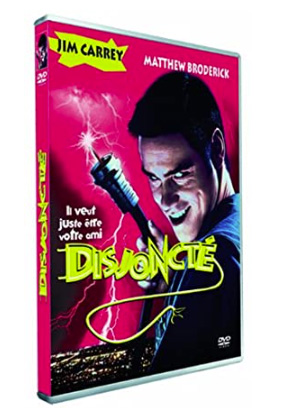
The Cable Guy
Synopsis
Steven Kovacs is a recently single man who moves into a new apartment and meets Chip Douglas, an unusually friendly cable television installer. Initially, Chip appears to be an enthusiastic and helpful acquaintance, offering Steven free television connections and an invitation to spend time together. However, his desire for friendship quickly becomes obsessive and increasingly disturbing. When Steven attempts to establish some distance, Chip reacts with unpredictable behavior that threatens his personal relationships and everyday life. What begins as an apparently harmless friendship gradually develops into a psychological comedy thriller about loneliness, manipulation and the dangers of emotional dependence.
The film's origins
The Cable Guy was conceived as a dark comedy that would explore the influence of television on modern relationships and personal identity. The screenplay was written by Lou Holtz Jr., who developed a character whose understanding of friendship had been profoundly shaped by years of watching television programs. Director Ben Stiller was attracted to the project because it offered an opportunity to move beyond conventional comedy and explore more disturbing psychological territory. Jim Carrey was selected for the central role during a period when his extraordinary popularity allowed him to experiment with more unusual characters. His participation also attracted considerable attention because he received an unprecedented $20 million salary, a landmark payment for a comedy actor at the time. Matthew Broderick was chosen to play Steven, providing a more restrained personality against which Carrey's unpredictable performance could develop. The film is an original screenplay rather than an adaptation of a novel or a documented real-life case. Its central idea draws on the cultural influence of television and the way fictional relationships can distort people's expectations of genuine human contact. The result was a comedy with elements of psychological suspense and social satire.
Reviews and reception
Professional critical reviews:
The Cable Guy received mixed reviews when it was released in 1996. Some critics appreciated its willingness to challenge the familiar image of Jim Carrey as a purely cheerful and exaggerated comedy performer. Others considered its dark humor uncomfortable and its combination of psychological thriller elements and slapstick comedy difficult to balance. Ben Stiller's direction was recognized for creating an unusual atmosphere that made the film stand apart from more conventional studio comedies. Over time, however, the film has attracted renewed appreciation for its originality and its surprisingly relevant observations about television culture and loneliness.
Audience reception:
The film opened strongly at the North American box office, benefiting from Jim Carrey's enormous popularity. Its opening weekend generated approximately $20.5 million, making it the leading film during its first weekend of release. Nevertheless, its unusual tone divided audiences who had expected a comedy closer to Carrey's previous successes. Some viewers appreciated the disturbing nature of Chip Douglas, while others found the character too unsettling. Subsequent television and home-video releases helped the film develop a more lasting cult following.
Awards and recognition:
The Cable Guy received recognition during the 1996–1997 awards season, particularly for Jim Carrey's performance. He won an MTV Movie Award for Best Comedic Performance and Best Villain, demonstrating the unusual appeal of a character who combines comedy and menace. The film also received nominations in other categories, including recognition for its central performances. Although it did not become a major critical awards success, its unconventional approach helped establish its reputation as one of the more unusual studio comedies of the 1990s.
Behind-the-scenes stories
Director's inspirations:
Ben Stiller wanted to create a comedy that would explore the darker side of television culture and the expectations people develop from watching fictional relationships. Chip Douglas represents an individual whose understanding of friendship has been shaped by sitcoms, dramatic confrontations and television entertainment. The director deliberately combined exaggerated comic situations with psychological discomfort. This approach allowed Jim Carrey to move away from his familiar comic persona and explore a more disturbing character.
Production challenges:
One of the main challenges was maintaining the balance between comedy and psychological tension. The filmmakers needed to make Chip Douglas funny enough to entertain audiences while ensuring that his behavior became increasingly threatening. Jim Carrey's highly energetic performance required careful direction so that the character remained believable within the film's unusual atmosphere. The production also involved elaborate sequences inspired by television shows, medieval entertainment and action films.
A memorable scene:
The medieval jousting sequence is one of the film's most recognizable moments. Chip organizes an elaborate medieval-themed event that initially appears to be a harmless form of entertainment. The situation becomes increasingly aggressive as his obsessive behavior begins to emerge more clearly. The scene perfectly illustrates the film's central contrast between apparently innocent fun and genuine psychological instability. It also demonstrates how Chip attempts to transform his television-inspired fantasies into real-life experiences.
Originally considered casting:
Jim Carrey was the defining choice for Chip Douglas, while Matthew Broderick provided the contrasting personality of Steven. The production became particularly famous because Carrey negotiated a $20 million salary, one of the most significant actor salaries of that period. Reliable documentation does not establish a definitive list of other actors initially considered for the two principal characters.
Themes explored
Loneliness and emotional dependence: Chip's obsessive desire for friendship reveals the destructive consequences of profound social isolation.
Television and reality: The film examines how entertainment can influence people's expectations about relationships and everyday behavior.
Manipulation and control: Chip gradually attempts to control Steven's social life, demonstrating how apparent generosity can conceal possessive intentions.
Friendship and boundaries: The story emphasizes the importance of mutual respect and the ability to recognize when a relationship becomes unhealthy.
Media influence: Television is presented as a powerful cultural force capable of shaping values, behavior and personal identity.
Psychological instability: Chip's behavior illustrates how unresolved emotional difficulties can transform an ordinary desire for companionship into something threatening.
Ending explained
The final confrontation reveals the full extent of Chip Douglas's obsession with Steven. What initially appeared to be an unusual friendship has become a dangerous attempt to control another person's life. Chip's behavior escalates into a dramatic conflict involving television imagery, public spectacle and physical danger. Steven ultimately refuses to accept the relationship on Chip's terms and confronts him directly. The resolution restores a degree of normality to Steven's life, although the experience has profoundly changed his understanding of friendship. The ending reinforces the film's central warning: affection without respect for personal boundaries can become a form of manipulation. Chip is not simply an eccentric acquaintance but a person whose distorted understanding of human relationships has produced increasingly destructive consequences.
Meaning of the title
The title The Cable Guy refers to Chip Douglas's occupation as a cable television installer. On the surface, it describes an ordinary service worker whose job gives him access to people's homes and private lives. However, the expression also acquires a symbolic meaning because Chip represents the intrusive influence of television in modern society. Through his profession, he connects people to entertainment while remaining disconnected from genuine human relationships himself. The title therefore combines an everyday occupation with the film's broader satire of television culture and emotional isolation.
Similar films
The Truman Show (1998): An examination of television, manufactured reality and the influence of media on personal freedom.
One Hour Photo (2002): A psychological thriller about loneliness, obsession and an unhealthy attachment to strangers.
Joker (2019): A darker character study exploring isolation, rejection and psychological instability.
World's Greatest Dad (2009): A dark comedy examining social expectations, media attention and the absurdities of modern culture.
The King of Comedy (1982): A Martin Scorsese film about obsession, celebrity culture and an individual whose fantasies become increasingly disconnected from reality.