

 Français
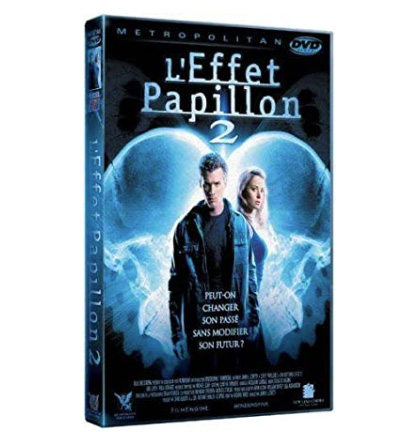
The Butterfly Effect 2
Synopsis
Following a tragic car accident that claims the lives of his girlfriend and his two best friends, Nick Larson discovers he has inherited his father's ability to travel back in time through old photographs. Consumed by grief and survivor's guilt, Nick uses his mysterious power to alter past events and save his loved ones from disaster. However, every time he changes the past, he creates unforeseen, catastrophic ripples in the present that threaten everyone he holds dear. This psychological sci-fi thriller explores the dangerous consequences of altering time.
The Making of the Film
The film was produced as a direct-to-video sequel to the successful 2004 psychological thriller The Butterfly Effect, exploring the same core sci-fi premise with an entirely new cast and creative team. Director John R. Leonetti took the helm, focusing on a fresh time-travel tragedy involving corporate corruption and romantic loss. The production was designed to capitalize on the cult popularity of the original film by delivering new twists on the chaos theory concept. New Line Cinema backed the project as a low-budget genre release.
Critical Reception
Professional critics gave generally unfavorable reviews, criticizing the derivative script, lower production values, and lack of the original film's emotional gravity. Reviewers noted that the time-travel mechanics felt repetitive and failed to match the psychological intensity of Ashton Kutcher's original performance. However, some genre fans found it to be a decent standalone thriller.
Public reception was moderate among home video renters and fans of low-budget sci-fi thrillers. Audiences appreciated the alternate timelines and suspenseful death sequences, though many viewed it as inferior to the first movie. It carved out a niche in direct-to-video rental markets.
Awards and recognition were absent, as is typical for direct-to-video genre sequels. The film remains a recognizable footnote in the psychological thriller genre. Its plot continues to be discussed among fans of time-travel cinema.
Filming Anecdotes
The director drew inspiration from classic chaos theory concepts, psychological thrillers, and indie dramatic storytelling. Production utilized sleek office locations and suburban homes in Vancouver to simulate an upscale corporate environment. Stunt coordinators managed the high-tension car crash and accident sequences carefully.
Production challenges included working under a modest budget and a tight shooting schedule compared to major theatrical blockbusters. The editing team had to meticulously track multiple alternate timelines to ensure continuity made sense for home video viewers. The cast rehearsed their emotional dramatic scenes extensively to convey the weight of grief.
A memorable anecdote involves Eric Lively performing several of his own tense stunt reactions during the repeating accident sequences. The wardrobe department utilized specific clothing color shifts to help viewers identify which alternate timeline Nick was currently experiencing. The crew maintained a focused atmosphere on set to complete the complex narrative shoot efficiently.
The casting process selected Eric Lively for the lead role of Nick Larson, alongside Erica Durance as his doomed girlfriend. Supporting actors were chosen to portray corporate colleagues who change drastically across different timelines. The ensemble focused on building believable romantic chemistry quickly.
Themes Explored
The themes explored include grief, guilt, fate versus free will, and the unintended consequences of tampering with time. The story examines how trying to achieve perfection can lead to absolute disaster. It also highlights the importance of accepting loss and living in the present.
Explanation of the Ending
The ending shows Nick making the ultimate sacrifice by realizing that any timeline where he tries to save everyone ultimately results in his girlfriend's death or worse suffering. He travels back one final time to the original moment of the accident, choosing not to interfere and allowing himself to perish so that his loved ones can live safely without him. The final scene closes on a tragic yet peaceful note, restoring cosmic balance.
Title Significance
The title 'The Butterfly Effect 2' directly signifies its status as the sequel to the original chaos-theory thriller, exploring the same butterfly effect phenomenon. It maintains brand continuity for home video distribution. The name immediately signals a time-travel sci-fi narrative.
The film remains a staple of late-night cable television broadcasting and digital genre streaming libraries.
The Butterfly Effect, Source Code, Predestination, Groundhog Day