

 Français
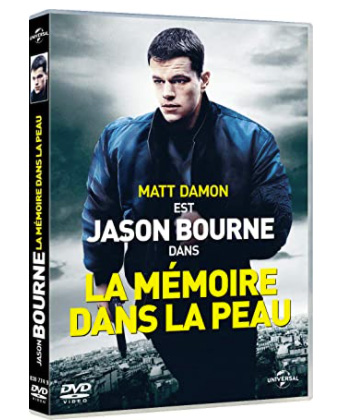
The Bourne Identity
Synopsis
A man is found floating in the Mediterranean Sea with two bullet wounds in his back and a device embedded in his body. He has no memory of who he is, but he discovers that he possesses extraordinary fighting skills and a number of false passports. Hunted by assassins and by the very agency that created him, he teams up with a young woman named Marie to unravel the truth about his identity. Fast, tense and grounded, the film is a spy thriller about a man running from his own past.
The Making of the Film
The Bourne Identity is based on the 1980 novel by Robert Ludlum and had previously been adapted as a television miniseries in 1988. Doug Liman directed the new version, which dropped the Cold War setting of the book to focus on a modern, personal story. The screenplay was written by Tony Gilroy and W. Blake Herron. Matt Damon, then known mainly for dramatic roles, was cast as Jason Bourne, while Franka Potente played Marie. The film was shot in several European cities, including Paris and Prague, and emphasized practical stunts. It was released in the summer of 2002 and launched a hugely successful franchise.
Reviews and Reception
Summary of Professional Reviews
Critics widely praised the film for its tight pacing, realistic action and the surprising credibility of Matt Damon as an action hero. Many reviewers appreciated its focus on character rather than gadgets, as a refreshing alternative to the more extravagant spy films of the time. The chemistry between Damon and Potente was singled out as a strength. A few critics found the plot somewhat conventional, but overall the response was very positive.
Audience Reception
The film was a strong commercial success, earning over 200 million dollars worldwide. Audiences loved its gritty chase scenes, hand-to-hand combat and the mystery at its core. Over time, it became recognized as a turning point for the modern action thriller, influencing many later spy films. It also established Matt Damon as a bankable action star.
Filming Anecdotes
Production Challenges
The production was famously troubled. There were conflicts between the director and the studio, and the film underwent significant reshoots, including changes to the ending. The release date was also postponed to allow the team to rework the film. Despite these difficulties, the final result proved remarkably cohesive.
Anecdote About a Particular Scene
The car chase through the streets of Paris was filmed with a small Mini, a deliberate choice that matched the film's realistic style. Rather than relying on spectacle, the sequence emphasized the vulnerability and ingenuity of the hero. It remains one of the franchise's most memorable set pieces.
Themes Explored
The film is a reflection on identity and the question of what makes a person who they are. Without memory, Bourne must discover whether he is defined by his past or by his choices. Government secrecy and the abuse of power are central, as he learns that the agency that made him now wants him dead. The relationship with Marie shows how trust can arise between strangers on the run. Violence is treated as a burden rather than a thrill, haunting a man who does not know what he has done. Overall, it is a thriller about freedom and self-discovery.
Ending Explained
After uncovering the truth about his past and confronting the people who made him, Bourne chooses to walk away from the world of assassins. The film ends with him reuniting with Marie, suggesting that he has found a new identity based on the life he wants rather than the one that was imposed on him. The final scene is quiet and hopeful, in contrast to the high-intensity action that precedes it. It leaves the door open for further adventures.
Meaning of the Title
The title refers to the central question of the story: who is Jason Bourne? The word "identity" highlights the amnesia that drives the plot and the search for a self. It also plays on the idea of false identities, since the hero carries several passports bearing different names.
Soundtrack
John Powell's score blends orchestral and electronic elements, creating a driving rhythm that matches the film's pace. Its pulsing percussion and urgent strings became a model for later action thrillers. The closing credits feature the song "Extreme Ways" by Moby, which became closely associated with the franchise.
Similar Films
- The Bourne Supremacy (2004): the direct sequel.
- Mission: Impossible (1996): a spy thriller with a more spectacular approach.
- Casino Royale (2006): a grittier take on James Bond.
- Three Days of the Condor (1975): a classic thriller about a man hunted by his own agency.