

 Français
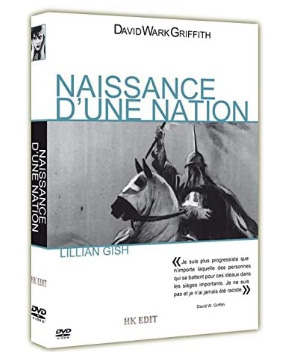
The Birth of a Nation
Synopsis
Set against the turbulent backdrop of the American Civil War and the Reconstruction era, the epic silent film follows two intertwined families—the Northern Stonemans and the Southern Camerons—whose loyalties are tested by conflict. Following the war, the South plunges into political turmoil under emancipated rule, leading to the formation of the Ku Klux Klan as a vigilante force. The sweeping narrative showcases immense cinematic scale while promoting deeply racist historical distortions. It remains one of the most controversial yet technically pioneering works in film history.
The Making of the Film
Director D.W. Griffith sought to adapt Thomas Dixon Jr.'s controversial novel The Clansman into a monumental cinematic spectacle, aiming to revolutionize narrative feature filmmaking. Producers invested unprecedented financial resources, assembling massive battle reenactments, elaborate period costumes, and thousands of extras across California. Griffith pioneered numerous cinematic techniques, including iris shots, panoramic long shots, parallel editing, and orchestrated musical scores synchronized to film reels. The production took months of rigorous logistical planning. It set a new financial and technical benchmark for early Hollywood blockbusters.
Critical Reception
Critics at the time praised the film's staggering technical ambition, dramatic sweeping scale, and innovative editing techniques, hailing it as an artistic triumph. However, simultaneous widespread outrage erupted from civil rights organizations like the NAACP, who condemned its virulent racism and glorification of white supremacy. Audiences flocked to theaters in record-breaking numbers, making it the highest-grossing film of its era and a massive cultural phenomenon. Despite its abhorrent racial politics, film historians continue to study its massive technical influence on narrative grammar. It remains a deeply troubled milestone.
Behind-the-Scenes Stories
D.W. Griffith drew inspiration from historical Civil War photographs, epic theater melodramas, and Thomas Dixon's partisan novels. During production, white actors in blackface makeup portrayed African-American characters in major supporting roles, which was standard theatrical practice of the era. The massive battle sequences utilized real gunpowder charges and military cavalry units borrowed from state militias. Griffith personally conducted orchestras during live screenings to ensure precise musical emotional pacing.
Themes Explored
The narrative explores the American Civil War, Southern myth-making, racial division, political reconstruction, and partisan loyalty. It presents a distorted, reactionary view of post-war American history. Furthermore, it highlights epic conflict.
Ending Explained
The political conflict concludes with the triumph of white vigilante forces securing regional elections and restoring traditional Southern social order, leading to scenes of peaceful domestic union. A deeply ideological and regressive conclusion closes the epic.
Meaning of the Title
The title 'The Birth of a Nation' refers ironically and aggressively to Griffith's ideological belief that modern America was truly unified and reborn through white reconciliation following the Civil War.
Joseph Carl Breil composed an innovative, sweeping orchestral score that combined classical motifs with traditional Southern folk melodies, marking one of the first synchronized feature film scores.
Other monumental silent historical epics such as Intolerance, Ben-Hur, and Metropolis.