

 Français
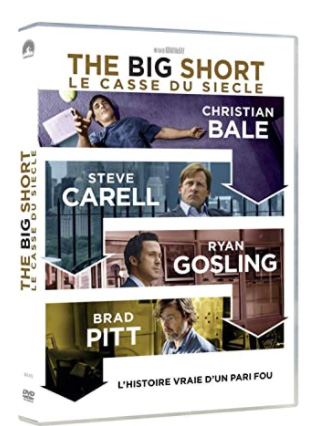
The Big Short
Synopsis
Set in the mid-2000s, a group of eccentric, perceptive financial outsiders and Wall Street mavericks independently discover that the booming U.S. housing market is built on a massive, fraudulent bubble of subprime mortgages. Recognizing that the entire global financial system is on the verge of collapse, these unorthodox investors devise a daring financial strategy to 'short' the housing market and bet against the American economy. As they battle institutional skepticism and corruption, the impending financial crash arrives with devastating worldwide consequences. The dark comedy-drama delivers sharp economic satire and accessible explanations of complex finance.
The Making of the Film
Director Adam McKay adapted the film from Michael Lewis's best-selling non-financial book The Big Short: Inside the Doomsday Machine, driven by anger over the 2008 financial crisis. The inspiration stemmed from wanting to expose the systemic greed and corruption behind the economic crash while making complex financial derivatives understandable to general audiences. The production team utilized innovative fourth-wall-breaking celebrity cameos to explain complex banking terms. The script balanced razor-sharp dark comedy with alarming economic reality.
Critical Reception and Reviews
Professional critics widely acclaimed the film for its inventive direction, razor-sharp script, energetic pacing, and powerhouse ensemble cast including Christian Bale, Steve Carell, Ryan Gosling, and Brad Pitt. Reviewers lauded McKay's bold, unconventional stylistic choices, such as having famous actors explain banking fraud directly to the camera. Public reception was enthusiastic worldwide, turning it into both a critical and commercial success. The film won the Academy Award for Best Adapted Screenplay.
Filming Anecdotes
Director Adam McKay drew visual inspiration from documentary filmmaking, rapid-fire editing styles, and 1970s political thrillers. Production took place on location across New Orleans and New York, utilizing actual Wall Street office spaces to recreate banking environments. During the filming of tense financial trading floor scenes, McKay encouraged actors to improvise reactions to chaotic market drops. Christian Bale wore a prosthetic glass eye and played drums on set to capture his character's eccentric personality.
Themes Explored
The film explores systemic financial greed, corporate corruption, economic denial, institutional failure, and the fragility of modern capitalism.
The sobering epilogue reveals that despite the massive economic collapse, very few bankers were held accountable, leaving the global financial system vulnerable to future crashes.
Meaning of the Title
The title refers directly to the financial trading term 'shorting,' describing the risky investment strategy of betting against the housing market to profit from its collapse.
Original Soundtrack
Nicholas Britell composed an eclectic, energetic musical score featuring hip-hop beats, classical strings, and electronic rhythms that mirrored the manic energy of Wall Street.
The film remains celebrated as a modern cinematic masterpiece of economic satire, praised for its brilliant explanation of the 2008 financial crisis.
Margin Call, The Wolf of Wall Street, Spotlight