

 Français
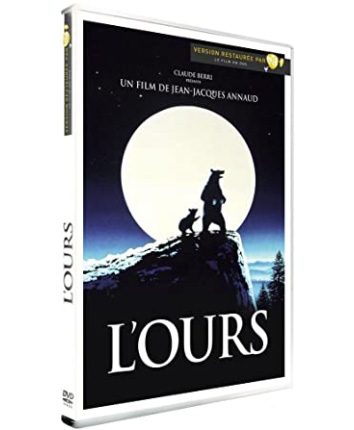
The Bear
Synopsis
Set in the breathtaking wilderness of 19th-century British Columbia, the story follows an orphaned bear cub who must navigate survival alone. After his mother is killed in a rockfall, the young cub crosses paths with a massive, battle-scarred adult grizzly bear. Meanwhile, human hunters track the giant grizzly through the rugged terrain, leading to a tense confrontation between man and beast. The narrative unfolds largely from the animals' perspective, offering a rare glimpse into nature untouched.
The Making of the Film
Directed by Jean-Jacques Annaud and based loosely on James Oliver Curwood's 1916 novel The Grizzly King, the film was an ambitious wildlife project. Annaud wanted to create a narrative feature film centered on real animals behaving naturally without anthropomorphic voiceovers. The production required years of training with animal handlers, utilizing specialized trained bears like Bart the Bear. The breathtaking wilderness of the Rocky Mountains provided a majestic natural stage.
Critical Reception
The Bear received widespread critical acclaim upon release, praised for its stunning cinematography, groundbreaking animal direction, and empathetic portrayal of wildlife. Reviewers commended Jean-Jacques Annaud for capturing the majesty of nature without relying on human dialogue or forced sentimentality. Audiences were captivated by the emotional bond between the cub and the adult bear. It earned numerous international awards and remains a landmark achievement in animal-focused filmmaking.
Filming Anecdotes
Working with live adult grizzly bears like Bart required immense patience, safety precautions, and specialized trainers on set at all times. The production took several years to complete due to the unpredictable behavior of the animals and changing weather conditions in the mountains. Special mechanical animatronic bear doubles were crafted by Jim Henson's creature shop for dangerous or complex scenes. The crew minimized human presence on set to keep the animal actors calm and natural.
Themes Explored
The film explores the raw power, beauty, and indifference of the natural world against human interference. It highlights the sanctity of wildlife and the unnecessary cruelty of trophy hunting. The protective bond between the adult grizzly and the orphaned cub symbolizes unconditional paternal love. It also emphasizes survival, instinct, and harmony within nature.
Explanation of the Ending
After saving the cub from a pack of hunting dogs and confronting the hunter, the giant grizzly spares the human's life and wanders back into the wilderness. The hunter, deeply moved by the encounter, lowers his rifle and decides to abandon the hunt altogether. The cub and the giant bear continue their journey together deep into the majestic mountains. The conclusion delivers a powerful message of mutual respect between humanity and wild beasts.
Meaning of the Title
The title is a direct, minimalist reference to the majestic central animal characters that drive the story. It highlights the focus on the grizzly bear's perspective and existence in the wilderness. The simple name reflects the grounded, naturalistic tone of the entire film.
Philippe Sarde composed a sweeping, majestic orchestral score that amplifies the emotional resonance of the wilderness without using traditional dialogue.
Dances with Wolves, Born Free, Jeremiah Johnson, The Revenant