

 Français
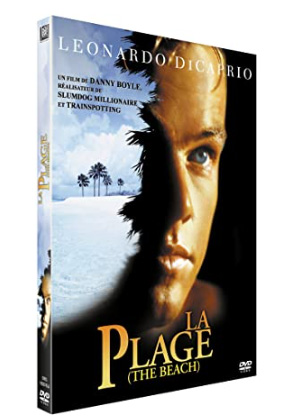
The Beach
Synopsis
Richard, a young American traveler in Thailand, becomes fascinated by a mysterious beach that is rumored to be a hidden paradise. After receiving a map from an eccentric traveler, he sets off with a French couple to discover the isolated island. They eventually find a secret community living far from conventional society, apparently protected from the pressures of modern tourism. However, the idyllic atmosphere gradually deteriorates as jealousy, fear and the need to protect the community begin to dominate everyday life. Richard discovers that paradise can become a dangerous illusion when human nature is unable to escape the world it claims to reject.
The The Making of the Film
The Beach is based on the 1996 novel of the same name by British author Alex Garland. The novel explores backpacker culture, the search for authenticity and the desire to escape modern society. Its popularity attracted the attention of filmmakers interested in adapting its mixture of adventure, psychological drama and social criticism. Director Danny Boyle was particularly interested in the contrast between the apparent freedom of travel and the darker instincts that emerge within isolated communities. Screenwriter John Hodge adapted the novel, retaining its central themes while reshaping certain characters and events for the screen. Leonardo DiCaprio was selected to play Richard, bringing international star power to the production. Filming took place primarily in Thailand, where the natural landscapes became an essential part of the film’s visual identity. Maya Bay on the island of Phi Phi Leh became particularly famous following the film’s release. The production sought to create a visually captivating tropical paradise while gradually revealing its psychological dangers. The film therefore combines a travel adventure with a meditation on escapism, idealism and the limits of human freedom.
Critical Reception
Professional critics gave The Beach a mixed reception. Some praised Danny Boyle’s visual direction, the spectacular Thai landscapes and the film’s atmospheric cinematography. Leonardo DiCaprio’s performance attracted attention, particularly because it differed from his earlier romantic roles. However, several reviewers criticized the screenplay for simplifying some of the psychological and philosophical dimensions of Alex Garland’s novel. Others felt that the film struggled to balance its adventure elements with its darker commentary on tourism and human behavior.
The public response was substantial, helped by Leonardo DiCaprio’s enormous popularity following Titanic. The film attracted international audiences interested in adventure stories and exotic destinations. Its spectacular locations became a major part of its appeal. The release also contributed to the growing international popularity of Maya Bay as a tourist destination. Over the years, the film has developed a lasting cultural association with backpacking, tropical travel and the search for hidden paradises.
The Beach did not become a major awards contender, although its production and visual elements received industry attention. Its soundtrack and cinematography contributed significantly to its lasting reputation. The film remains particularly recognizable for its Thai locations and its role in popularizing Maya Bay internationally. Its cultural impact has arguably been more enduring than its initial critical reception.
Filming Anecdotes
Danny Boyle drew inspiration from the countercultural desire to abandon conventional society and create a supposedly perfect community. The novel by Alex Garland provided the foundation for this exploration, while the director developed a more visually spectacular interpretation. The production used the natural landscapes of Thailand to create a convincing image of an isolated tropical paradise. The contrast between beautiful surroundings and increasingly disturbing events was central to the visual approach.
Filming at Maya Bay involved considerable logistical challenges. The production had to coordinate equipment, cast and crew in a remote coastal location. The beach was modified during production, including the planting of additional vegetation to create the desired cinematic appearance. These alterations later generated controversy because of their environmental impact. The restoration of the natural environment became an important part of the subsequent public discussion surrounding the film.
One of the most recognizable sequences involves Richard experiencing increasingly disturbing psychological visions. Danny Boyle uses rapid editing, unusual visual effects and changes in perspective to represent the character’s deteriorating mental state. These sequences distinguish the film from a conventional tropical adventure. The contrast between paradise and psychological instability is one of its defining characteristics.
Leonardo DiCaprio was already an internationally recognized star when the production began. His casting attracted considerable media attention and helped make the project one of the most anticipated films of 2000. The supporting cast also brought together actors from different countries, reflecting the international backpacking culture portrayed in the story.
Themes Explored
The search for paradise is the central theme of The Beach. Richard believes that escaping modern society will allow him to discover a more authentic way of living. The hidden island initially appears to offer freedom, friendship and a connection with nature. However, the community gradually reproduces the same problems that its members hoped to escape. Power, jealousy, secrecy and fear become increasingly important. The film also examines the psychological consequences of idealizing unfamiliar places and cultures. Richard’s journey reveals the difference between genuine discovery and the desire to impose personal fantasies on the world. Tourism and its impact on local communities form another important dimension of the story. The natural environment appears both beautiful and vulnerable to human interference. Isolation, belonging, moral responsibility and the limits of individual freedom are also explored. Ultimately, the film questions whether paradise can exist when human beings carry their ambitions and contradictions wherever they go.
Explanation of the Ending
The final part of the film reveals that the hidden community can no longer maintain its carefully constructed image of paradise. The violent events surrounding the island force Richard to confront the consequences of his earlier decisions. The community eventually collapses under the pressure of fear, mistrust and internal conflict. Richard survives the experience but loses the illusion that he has discovered a perfect alternative to ordinary society. His relationship with the people he met on the island has also been permanently changed. The final images suggest a return to the ordinary world, where memories of the adventure remain powerful but complicated. Richard receives an opportunity to reconnect with the experience through a photograph and a digital message from his former companions. The conclusion suggests that paradise is not simply a geographical location but an ideal that can become destructive when pursued without responsibility.
The Meaning of the Title
The title The Beach refers to the hidden tropical beach that becomes the central destination of Richard’s journey. It represents the ultimate fantasy of the independent traveler: an untouched place beyond tourism, commercial pressure and everyday responsibilities. The beach initially symbolizes freedom, beauty and the possibility of a new beginning. As the story progresses, however, its meaning becomes increasingly ambiguous. The same place that promises happiness becomes associated with secrecy, violence and psychological suffering. The title therefore captures the contrast between an idealized paradise and the reality of human behavior.
Original Soundtrack
The soundtrack of The Beach is one of its most recognizable elements. Angelo Badalamenti composed the original score, creating atmospheric music that complements the film’s psychological and exotic settings. The soundtrack also features contemporary electronic music, including the famous track Porcelain by Moby. Other selections reinforce the film’s association with late-1990s electronic and alternative music culture. The combination of atmospheric compositions and contemporary songs gives the film a distinctive identity. Its musical atmosphere became closely associated with the backpacking culture and travel imagery of the period.
Similar films include Into the Wild, The Blue Lagoon, Lord of the Flies, Cast Away, A Perfect Getaway and The Mosquito Coast. These films explore isolation, survival, the search for freedom and the complicated relationship between human beings and supposedly untouched environments.