

 Français
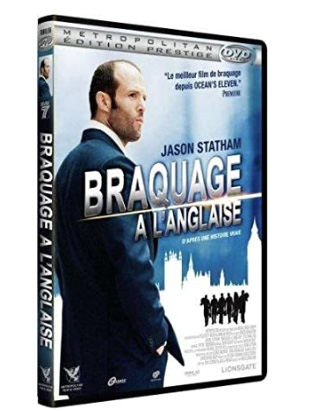
The Bank Job
Synopsis
Set in London in 1971, a struggling car dealer with a shady past is approached by an old, beautiful revolutionary friend with an irresistible proposal: tunnel into the vault of a Lloyds Bank branch on Baker Street to steal millions in cash and safe deposit box valuables. Unbeknownst to the criminal crew, the safe deposit boxes contain explosive, compromising photographs of British royals, corrupt politicians, and notorious underworld figures that various intelligence agencies and criminals desperately want to recover. As the robbers tunnel beneath the London streets, they inadvertently stumble into a high-level political blackmail conspiracy involving MI5, sex scandals, and mobsters. Their simple bank heist turns into a dangerous game of political survival.
The Making of the Film
Director Roger Donaldson adapted the historical crime thriller from a screenplay written by Dick Clement and Ian La Frenais, based on the real-life 1971 Baker Street bank robbery in London. The inspiration stemmed from the legendary unsolved heist and long-standing government suppression orders (D-Notices) surrounding the stolen royal blackmail photos. The production team aimed to construct a sleek, authentic 1970s period crime caper shot on location in London and Pinewood Studios. The script focused heavily on political corruption and period detail.
Critical and Reception
Professional critics gave generally positive reviews, praising the film's tight pacing, historical intrigue, stylish 1970s period atmosphere, and Jason Statham's charismatic leading man performance away from standard action roles. Audiences rushed to theaters worldwide, turning the crime thriller into a solid box-office success. Reviewers noted that the film offered a smart, gripping British heist movie based on bizarre true events. The movie secured a strong reputation among fans of crime capers.
Filming Anecdotes
Director Roger Donaldson drew inspiration from classic 1970s heist films, British political history, and real-life investigative journalism archives. Production faced intricate scheduling challenges recreating authentic 1970s London streetscapes and underground bank-tunneling sets. During the vault-drilling and police radio interception sequences, Jason Statham maintained a calm, focused criminal demeanor. The studio fully supported bringing the suppressed true story to the screen.
Themes Explored
The film explores political corruption, blackmail, 1970s British underworld history, loyalty, and survival. It examines how ordinary criminals outsmart both intelligence agencies and mobsters. Greed versus self-preservation serves as the central conflict. Additionally, 1970s London provides an authentic period backdrop.
Explanation of the Ending
The narrative concludes with the car dealer successfully bargaining the compromising royal photographs with MI5 in exchange for immunity, freedom, and a cut of the stolen cash for himself and his loyal crew, while leaving corrupt politicians and mobsters to face disgrace. Walking away with his family into a wealthy retirement, he leaves the criminal underworld behind. The final text cards detail the true historical outcome of the Baker Street robbery. The resolution provides a satisfying, classic crime-thriller closure.
Meaning of the Title
The title refers directly to the central crime of the narrative: the historical bank robbery on Baker Street in London that uncovered a massive political blackmail conspiracy. It signifies heists, crime, and undercover operations. The name creates a classic, punchy hook for a crime thriller. It captures the core premise of the story.
There are no recent major developments or active news items regarding this film.