

 Français
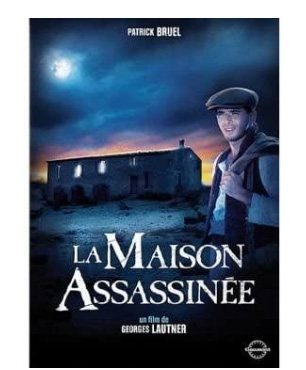
The Assassinated House
Synopsis
The Assassinated House is a dark, atmospheric French mystery thriller directed by Georges Lautner, based on Pierre Magnan's acclaimed novel. Set in a remote, rugged mountainous region of Provence after World War I, the story follows Séraphin Monge, a traumatized young soldier who returns home to find his entire family brutally murdered and their isolated estate left in ruins. Consumed by grief and a burning need for vengeance, Séraphin vows to uncover the identity of the killers who destroyed his family. As he investigates the dark secrets of the local villagers, he realizes that the crime is tied to a web of greed and hypocrisy. The film delivers brooding gothic suspense amidst stunning alpine scenery.
The Making of the Film
Director Georges Lautner adapted the film from Pierre Magnan's award-winning 1984 regional crime novel, seeking to explore a much darker, brooding dramatic tone compared to his famous comedic works. The production utilized remote, rugged mountain locations in Haute-Provence to create an authentic, gothic atmosphere of isolation and post-WWI melancholy. Patrick Bruel was cast as the vengeful returning soldier Séraphin, delivering a powerful dramatic performance. The filmmakers worked closely with local period advisors to ensure historical accuracy.
Critical Reception
Professional critics offered favorable reviews upon release, praising the film's striking gothic cinematography, atmospheric tension, and Patrick Bruel's committed dramatic lead performance. Reviewers highlighted Georges Lautner's successful transition into dark mystery thriller territory, noting that the remote mountain setting added immense psychological weight to the plot. Some critics felt the intricate mystery plotting occasionally moved slowly, but acknowledged its rich historical texture. It remains a respected entry in French regional cinema.
Audiences responded with steady interest, appreciating the suspenseful murder mystery and the haunting depiction of post-WWI rural France. Viewers drawn to atmospheric gothic thrillers found the dark village secrets and revenge plot deeply engaging. Word-of-mouth sustained its reputation among fans of French mystery adaptations.
The film earned recognition at regional European film screenings for its atmospheric art direction and cinematography.
Behind-the-Scenes Stories
Director Georges Lautner drew inspiration from traditional gothic horror, French regional noir literature, and post-WWI historical trauma to shape the eerie mood. Filming in remote, mountainous regions of Provence required the crew to battle harsh weather and rugged terrain during location shoots. During the filming of the eerie abandoned house sequences, Patrick Bruel worked in authentic historic structures that enhanced his brooding performance. Before Patrick Bruel was cast, several other French actors were considered during early casting stages.
Themes Explored
Vengeance, Post-WWI Trauma, Family Murder, Greed, Rural Secrets, Justice
Ending Explained
The chilling final confrontation exposes the hypocritical village conspirators, bringing tragic closure and retributive justice to the ruined estate.
Meaning of the Title
The title refers directly to the isolated family estate that was physically and symbolically destroyed by the horrific multiple murders.
Le Corbeau, Diabolique, The Chaperone, La Cérémonie