

 Français
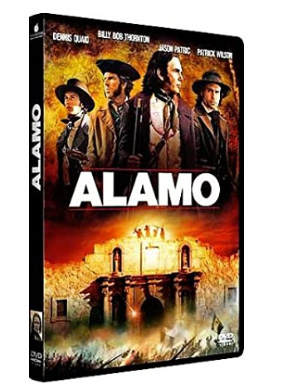
The Alamo
Synopsis
This monumental historical western epic chronicles the legendary 1836 battle where a small band of Texan volunteers made a heroic, doomed stand against the massive Mexican army. Led by historical figures such as Davy Crockett, Jim Bowie, and William Travis, the defenders hold out for thirteen fateful days inside a crumbling mission. The narrative highlights sacrifice, bravery, and the forging of the Texas Republic amidst overwhelming odds. It is a sweeping, grand-scale cinematic tribute to martyrdom and frontier folklore.
The Making of the Film
The project originated from actor and director John Wayne's decades-long personal obsession with bringing the legendary battle of the Texas Revolution to the big screen. Wayne poured millions of his own dollars and years of lobbying into developing a production that would honor American pioneer mythology. Inspiration was drawn from historical accounts, Texan folklore, and traditional western heroic tropes of the mid-twentieth century. The creative team aimed to construct a monumental historical epic that combined large-scale military strategy with deeply personal character sacrifice.
Critical Reception
Critics offered a mixed array of reviews, praising the film's breathtaking battle choreography, sweeping cinematography, and authentic scale while critiquing its leisurely, dialogue-heavy first half. Reviewers noted that Wayne's direction captured the immense logistical difficulty of historical warfare with impressive physical sets and thousands of extras. However, some felt the political framing and characterizations leaned too heavily into traditional Hollywood myth-making. Despite mixed critical consensus, the sheer ambition of the production was widely acknowledged.
Audience reception was strong, driving the movie to respectable box office returns and securing its place as a classic staple of traditional western cinema. Viewers praised the emotional power of the final battle sequences and the charismatic lead performances of the legendary ensemble cast. Fans of historical westerns appreciated the film's dedication to recreating a pivotal moment in American frontier history. Word-of-mouth sustained its legacy as an enduring passion project for its star-director.
Awards season brought significant recognition, securing multiple Academy Award nominations including Best Picture, Best Cinematography, and Best Original Song. Dmitri Tiomkin's sweeping musical score and the film's sound design received particular praise from industry guilds. Although it faced stiff competition at the major ceremonies, its technical achievements were universally celebrated. These accolades cemented its status as a notable milestone in historical epic filmmaking.
Behind-the-Scenes Stories
The director drew visual inspiration from classic western landscape paintings and historical military records to establish a vast, sun-bleached aesthetic. Every structure of the massive Alamo mission set was constructed with painstaking architectural detail across thousands of acres in Texas. The production team collaborated closely with historians to ensure that period uniforms, weaponry, and battle tactics mirrored historical realities. These artistic choices created a fully realized, tangible frontier world.
Production presented monumental financial and logistical hurdles, requiring John Wayne to mortgage personal properties and secure independent backing to complete the expensive shoot. Constructing the sprawling outdoor set under intense Texas heat exposed the cast and crew to severe physical fatigue. Managing thousands of background extras and horses for the massive final assault demanded unprecedented coordination. Furthermore, balancing acting duties with exhaustive directorial responsibilities placed immense strain on Wayne.
During the filming of the harrowing final assault, the director utilized real explosives and large-scale stunt choreography to capture the chaos of the battle. To maintain authentic tension, the cast performed rigorous physical stunts amidst flying debris and charging cavalry units. The crew utilized wide-angle lenses to emphasize the overwhelming numerical superiority of the Mexican army pressing against the mission walls. This dedication resulted in thrilling, visceral action sequences.
Casting was anchored by John Wayne himself playing Davy Crockett, alongside a stellar ensemble of Hollywood character actors and rising stars. The supporting cast brought instant credibility and rugged charm to the historical figures of Jim Bowie and William Travis. Auditions prioritized actors who could project physical toughness and traditional frontier grit. This star-studded casting strategy was vital for giving the historical epic widespread commercial appeal.
Themes Explored
The narrative deeply explores themes of sacrifice, duty, and martyrdom for a greater ideological cause. It examines the clash of empires, frontier expansion, and the birth of regional identity. Additionally, it highlights comradeship, leadership under pressure, and facing inevitable death with dignity. Ultimately, the film reflects on legacy, heroism, and the creation of foundational national myths.
Ending Explained
The story reaches its tragic climax as the Mexican army overpowers the exhausted defenders in a brutal final dawn assault, resulting in the death of all the key historical heroes. As the smoke clears over the ruined mission, the sacrifice of the garrison inspires the broader Texan army to rally and ultimately win independence at San Jacinto. This poignant resolution emphasizes that martyrdom birthed a new nation.
Meaning of the Title
The title directly references the historic Spanish mission in San Antonio where the legendary battle took place.
Original Soundtrack
The majestic musical score by Dmitri Tiomkin received an Academy Award nomination, featuring soaring orchestral themes and traditional western folk melodies that became legendary.
Similar Films
Films sharing similar epic historical battle and siege themes include Zulu (1964), Gettysburg (1993), and The Alamo (2004).