

 Français
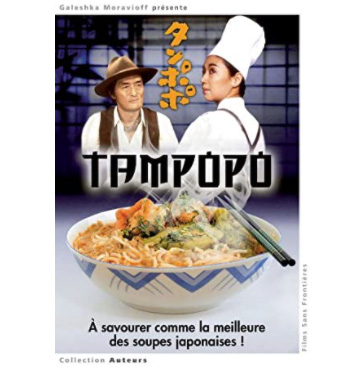
Tampopo
Synopsis
This delectable Japanese comedy masterpiece follows an endearing truck driver who stops at a struggling roadside ramen shop and resolves to help its widowed owner, Tampopo, craft the ultimate bowl of noodles. Interwoven with numerous eccentric, food-obsessed vignettes exploring human desire, sensuality, and culinary passion, the narrative serves as a hilarious satire of Japanese gastronomic culture. Blending spaghetti western tropes with mouth-watering food philosophy, the film celebrates the art of eating. It is a wildly inventive, joyful cinematic feast that delights the senses.
The Making of the Film
The project originated from director Juzo Itami's lifelong obsession with food, culture, and the sensual rituals surrounding Japanese dining. Itami sought to create a groundbreaking cinematic "ramen western" that combined American genre conventions with traditional Japanese culinary arts. Inspiration was drawn from classic spaghetti westerns, satirical essays on gastronomy, and personal culinary explorations across Tokyo. The creative team aimed to construct an episodic comedy that explored every facet of human desire through the lens of food.
Critical Reception
Critics offered widespread, rapturous acclaim, praising the film's brilliant originality, mouth-watering visual style, and subversive comedic brilliance. Reviewers noted that Itami successfully blended slapstick humor, sensual eroticism, and social satire into a seamless, highly entertaining narrative. The inventive vignette structure and memorable characters received universal applause from international film critics. It was immediately recognized as a landmark triumph in Japanese comedy cinema.
Audience reception was remarkably enthusiastic, turning the film into a beloved international cult classic that popularized ramen culture across Western markets. Viewers on public platforms praised the film's irresistible charm, hilarious situational comedy, and mouth-watering close-up shots of noodle preparation. Word-of-mouth sustained long theatrical runs in art-house cinemas worldwide. It remains an essential masterpiece of culinary cinema.
Awards season brought notable recognition at Japanese film awards and international festivals, honoring Itami's sharp screenplay and visionary direction. Critics' associations praised the film for its innovative genre-blending and cultural impact. The production also earned accolades for its brilliant sound design and art direction. These accolades cemented its status as a timeless cinematic classic.
Behind-the-Scenes Stories
The director drew visual inspiration from classic Sergio Leone westerns and French culinary art to establish a stylish, tongue-in-cheek aesthetic. Every ramen bowl, restaurant kitchen, and dining table was meticulously styled to make the food look like an absolute work of art. The production team collaborated with master ramen chefs to ensure that noodle-making techniques and broth recipes looked authentic. These artistic choices created a uniquely vibrant cinematic world.
Production presented delicious logistical challenges, requiring the cast and crew to work closely with professional food stylists to prepare hundreds of perfect dishes for every scene. Shooting in tight Tokyo locations required clever camera angles and efficient scheduling from the assistant directors. Furthermore, maintaining consistent food temperatures and textures under hot studio lighting demanded obsessive attention to detail from the prop department.
During the filming of the famous raw egg-passing scene, the actors rehearsed their physical choreography extensively to achieve the intimate comedic timing required. To maintain authentic comedic reactions, the director encouraged playful improvisation among the ensemble cast. The crew utilized vibrant lighting and tight close-up lenses to emphasize the sensory richness of every meal. This collaborative environment resulted in iconic cinematic moments.
Casting focused on securing brilliant Japanese comedic talent capable of playing eccentric, food-obsessed characters with utter deadpan sincerity. Nobuko Miyamoto and Tsutomu Yamazaki brought incredible charm and screen presence to the lead roles. Supporting casting directors filled out the vignettes with unforgettable character actors. This targeted casting strategy was the absolute secret to the film's comedic success.
Themes Explored
The narrative deeply explores themes of culinary passion, human sensuality, and the deep cultural rituals surrounding food in Japanese society. It examines obsession, perfectionism, and the parallels between cooking and artistic creation. Additionally, it highlights community, mentorship, and the simple joys of everyday life. Ultimately, the film reflects on desire, culture, and the universal language of a good meal.
Ending Explained
The whimsical story concludes with Tampopo achieving her dream of running a wildly successful, packed ramen shop, earning the deep respect of her peers and the truck driver who departs quietly into the night. A final touching vignette shows a mother nursing her baby, linking food directly to the primal source of life and comfort. This heartwarming resolution celebrates success, community, and the eternal pursuit of perfection.
Meaning of the Title
The title directly references the name of the main protagonist, Tampopo (meaning "dandelion" in Japanese), symbolizing resilience and growth.
Original Soundtrack
The eclectic musical score by Kunihiko Murai received praise for blending Ennio Morricone-style spaghetti western orchestral themes with lighthearted jazz and classical melodies.
Similar Films
Films sharing similar culinary obsession and comedic charm include Babette's Feast (1987), Eat Drink Man Woman (1994), and The Chef (2014).