

 Français
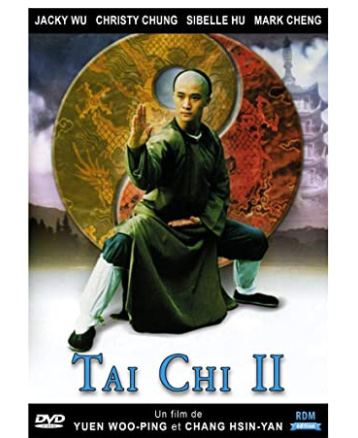
Tai Chi Hero
Synopsis
Continuing the epic martial arts saga, a talented young outsider with a unique natural gift for fighting arrives at a secluded, traditional village that fiercely guards its secret martial arts techniques. Initially rejected by the villagers, he must prove his loyalty and worth when a ruthless railroad tycoon threatens to destroy the village to build a modern railway. Teaming up with the master's fierce daughter, he helps lead the defense utilizing revolutionary fighting concepts. This high-energy steampunk martial arts sequel blends traditional kung fu with inventive early-industrial technology.
The Making of the Film
The idea for Tai Chi Hero was conceived as the second installment of director Stephen Fung and producer Chen Kuo-fu's ambitious, stylistic martial arts trilogy designed to reinvent traditional kung fu cinema. The filmmakers wanted to merge classical historical martial arts storytelling with modern comic-book aesthetics, video game framing, and steampunk industrial elements. The production team drew inspiration from historical accounts of the introduction of railways into late-Qing Dynasty China and the legend of Yang Luchan, the founder of Yang-style Tai Chi.
Critical Reception
Professional critics gave mixed-to-positive reviews to Tai Chi Hero, praising its vibrant visual inventiveness, fast-paced action choreography, and quirky blending of steampunk mechanics with traditional kung fu. Reviewers noted that it maintained the high-energy entertainment value and comic-book style established in the first film while expanding the political and dramatic scope. The public response was favorable, particularly in Asian box office markets where audiences enjoyed the playful subversion of martial arts tropes. Fans of modern action cinema appreciated the creative fight sequences and whimsical tone. The film received recognition at Asian film festivals for its distinct art direction and stunt work.
Filming Anecdotes
Director Stephen Fung drew heavy inspiration from modern graphic novels, anime, and classic Shaw Brothers martial arts cinema to craft the film's unique visual signature. Production was shot back-to-back with the first installment in mainland China, requiring massive outdoor set construction to replicate the ancient walled village and early industrial railway tracks. During the filming of the intricate martial arts brawls, lead actor Yuan Xiaochao and veteran martial artist Tony Leung Ka-fai performed complex wire-fu choreography under intense physical schedules. Before principal photography began, the cast underwent weeks of rigorous martial arts boot camp to ensure synchronized combat execution.
Main Themes
The film explores themes of tradition versus modernization, cultural acceptance, community solidarity, and personal reinvention. It examines how ancient philosophies must adapt to face encroaching industrialization and foreign threats. Furthermore, it highlights the journey of an outcast earning respect through humility, dedication, and courage.
Ending Explanation
The climax resolves the immediate industrial threat as the villagers and Yang Luchan successfully outwit the corrupt officials and sabotage the destructive railway machinery meant to ruin their home. Through unity and mastery of their secret martial arts, they secure a temporary victory against overwhelming technological progress. The film concludes on a forward-looking note, setting the stage for continued political intrigue and martial arts evolution in the final chapter of the saga.
Title Significance
The title directly references the central martial art discipline featured in the narrative—Tai Chi—and highlights the protagonist's journey toward mastering the art and becoming a heroic defender of his community.
NULL
NULL
Crouching Tiger, Hidden Dragon, House of Flying Daggers, Ip Man, Kung Fu Hustle