

 Français
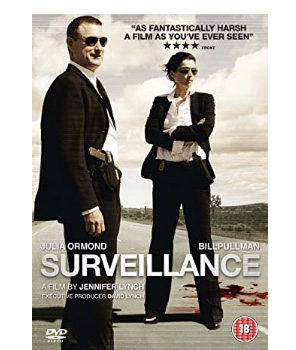
Surveillance
Synopsis
This gritty psychological crime thriller follows two FBI agents as they investigate a gruesome series of murders committed along a desolate stretch of highway in rural Texas. When three traumatized survivors—a police officer, a jittery drug addict, and a young girl—are brought into a remote stationhouse, their separate testimonies paint conflicting pictures of the killer. As the interrogation unfolds through overlapping flashbacks, dark secrets and unexpected twists begin to unravel the truth. It is a dark, unsettling puzzle box of a movie that subverts traditional crime procedural tropes.
The Making of the Film
The project originated from director Jennifer Lynch's desire to craft a subversive, nonlinear crime thriller that played with perspective and unreliable narration. Filmmakers sought to merge classic neo-noir atmosphere with raw, visceral horror elements reminiscent of grindhouse cinema. Inspiration was drawn from classic interrogation dramas, true-crime psychological studies, and the isolated landscapes of rural America. The creative team aimed to challenge audience expectations by constantly shifting the narrative viewpoint through the eyes of flawed witnesses.
Critical Reception
Critics offered a polarized array of reviews, with some praising its fearless subversion of genre clichés and shocking twists, while others found its dark tone abrasive. Reviewers noted that the nonlinear storytelling kept viewers off balance, effectively mirroring the confusion of the characters. The lead performances, particularly the dynamic between the federal agents and the traumatized child, received widespread acclaim for their raw intensity. While the grim subject matter proved divisive, its technical audacity was frequently acknowledged.
Audience reception was mixed among mainstream viewers due to its bleak atmosphere and violent narrative turns, but it found a dedicated following among horror and thriller enthusiasts. Viewers on independent film platforms praised its unpredictable plot architecture and willingness to take extreme narrative risks. Fans of dark psychological mysteries appreciated how the final twist recontextualized all prior witness testimonies. It earned a reputation as an uncompromising, cult-status genre experiment.
Awards season brought recognition primarily from specialized horror and independent film festivals, honoring its daring screenplay and tense atmospheric direction. Critics' associations highlighted the film for breathing fresh life into the stagnant serial killer subgenre through structural innovation. The performances also received nominations at underground genre ceremonies for their unflinching commitment. These accolades cemented its status as a bold, provocative thriller.
Behind-the-Scenes Stories
The director drew aesthetic inspiration from classic 1970s exploitation cinema and stark desert photography to establish an oppressive, sun-baked visual style. Every corner of the isolated police station set was designed to feel claustrophobic and suffocating, heightening the psychological pressure on the characters. The production team collaborated with technical advisors to ensure that police protocols and interrogation techniques contrasted sharply with the escalating chaos. These artistic choices created a deeply unsettling viewing experience.
Production presented intense logistical challenges, particularly in shooting complex, multi-perspective flashback sequences without losing narrative coherence. The editing suite became a battleground as filmmakers meticulously arranged the shifting timelines to maximize the impact of the final plot twist. Shooting in remote desert locations exposed the cast and crew to extreme heat and physical exhaustion. Furthermore, maintaining high emotional intensity across grueling interrogation scenes required immense stamina from the actors.
During the filming of the intense stationhouse confrontations, the director encouraged organic improvisation to capture genuine friction among the suspects and officers. To maintain psychological immersion, the cast spent time rehearsing in character prior to principal photography. The crew utilized harsh fluorescent lighting and stark framing to emphasize the institutional bleakness of the setting. This immersive approach resulted in powerful, visceral performances.
Casting focused on securing fearless actors capable of embodying morally ambiguous and deeply damaged characters. The lead roles were filled by versatile performers known for tackling dark, unconventional material with total commitment. Supporting actors brought gritty authenticity to the roles of rural law enforcement and desperate drifters. This thoughtful casting process ensured that the tense psychological drama remained grounded despite its wildly twisting plot.
Themes Explored
The narrative deeply explores themes of perception, trauma, and the unreliability of human memory under extreme duress. It examines corruption, institutional failure, and the dark secrets hidden beneath the surface of small-town America. Additionally, it highlights the predatory nature of human behavior and the blurring lines between victims and monsters. Ultimately, the film reflects on deception, survival, and the cruel irony of ultimate truth.
Ending Explained
The twist ending reveals that the two FBI agents are actually the sadistic serial killers they were supposedly investigating, having manipulated the survivors all along. They eliminate the remaining witnesses and drive off into the sunset to continue their reign of terror. This shocking resolution completely subverts expectations, leaving the audience stunned by the total victory of evil.
Meaning of the Title
The title refers both to the literal police surveillance cameras and the thematic concept of being constantly watched by unseen predators.
Similar Films
Films sharing similar dark twists and gritty crime investigation themes include Identity (2003), Usual Suspects (1995), andMemento (2000).