

 Français
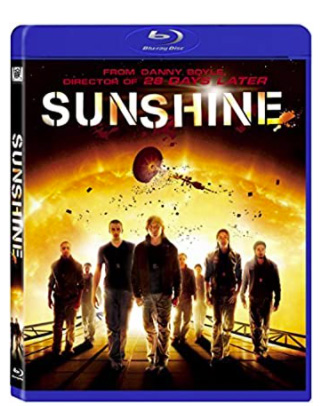
Sunshine
Synopsis
Set fifty years in the future, the Sun is dying, plunging Earth into a freezing global ice age and threatening the extinction of humanity. A desperate international crew of eight astronauts embarks on a perilous mission aboard the spacecraft Icarus II carrying a massive stellar bomb designed to jump-start the dying star. As they approach the sun, they intercept distress signals from the Icarus I, the original mission that vanished seven years prior. When a series of catastrophic accidents compromises their ship, tensions mount, and psychological breakdown threatens the crew's ultimate survival and the fate of mankind.
The Making of the Film
Director Danny Boyle and writer Alex Garland collaborated to create a scientifically grounded psychological sci-fi thriller, drawing inspiration from classic space films like '2001: A Space Odyssey' and 'Alien'. They consulted with real physicists to ensure the scientific concepts regarding stellar mechanics felt plausible.
Critical Reception
Professional critics gave the film positive reviews, praising its stunning visual design, tense atmosphere, philosophical depth, and strong ensemble cast, though some found the tonal shift in the third act divisive.
The general public and sci-fi enthusiasts appreciated its unique blend of hard science fiction and existential psychological horror, establishing it as a cult classic.
The film received several British Independent Film Award nominations for its technical achievements and cinematography.
Filming Anecdotes
Director Danny Boyle drew inspiration from classical space exploration documentaries and psychological thrillers, requiring the cast to live together on set to build authentic crew camaraderie.
Production involved intricate zero-gravity wirework and specialized lighting rigs to simulate the blinding glare of proximity to the sun.
During the filming of the reactor chamber scenes, actors endured intense heat from physical lighting setups to heighten realistic distress.
Initially, various script revisions explored different third-act antagonists before settling on the psychological survival struggle.
Themes Explored
The film explores human hubris in the face of nature, religious fanaticism versus science, self-sacrifice for the greater good, and the psychological weight of isolation in space.
Ending Explanation
The ending shows astronaut Cappa successfully manually detonating the stellar payload inside the sun, reigniting the star and saving Earth while sacrificing his own life in a brilliant flash of light.
Title Significance
The title 'Sunshine' ironically contrasts the life-giving warmth of the sun with the terrifying, apocalyptic reality of a dying star threatening human extinction.
Similar Films
Interstellar, Arrival, Event Horizon, Moon