

 Français
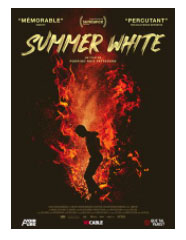
Summer White
Synopsis
Note: International release year is 2021. In a working-class neighborhood of Mexico City, thirteen-year-old Rodrigo lives a quiet, isolated life sharing a small apartment with his devoted single mother. Their peaceful routine is suddenly upended when the mother brings home her new boyfriend to live with them permanently. Struggling with intense jealousy, anger, and feelings of abandonment, Rodrigo acts out in destructive ways to sabotage the relationship. As domestic tension escalates behind closed doors, the young adolescent is forced to confront uncomfortable truths about growing up. Ultimately, the stifling summer heat acts as a catalyst for a painful, irreversible rite of passage.
The Making of the Film
Director Rodrigo Ruiz Patterson co-wrote the psychological drama with playwright Gabriela Vidal to explore the dark complexities of adolescent jealousy and domestic displacement. The project was conceived as an independent Mexican art-house film focusing intensely on interior psychology and claustrophobic family dynamics. Ruiz Patterson drew inspiration from his own observations of evolving family structures in urban Mexico. The production prioritized naturalistic performances, handheld camera work, and restricted apartment locations to heighten the sense of emotional entrapment.
Critical Reception
Critics offered widespread critical acclaim upon release, praising its chilling psychological suspense, sensitive direction, and extraordinary lead performance by newcomer Adrián Rossi. Reviewers lauded Rodrigo Ruiz Patterson for directing a debut feature that handled a disturbing domestic dynamic with immense maturity and restraint. The film was celebrated for avoiding melodramatic clichés in favor of a slow-burn, atmospheric character study of a troubled teenager. It established itself instantly as a brilliant triumph of contemporary Mexican independent cinema.
Audiences were deeply gripped and unsettled by the tense domestic thriller, praising its unflinching look at adolescent jealousy and maternal codependency. Viewers at international film festivals commended the oppressive summer atmosphere and the nuanced performances of the small cast. It became a critical darling among art-house cinephiles worldwide, sparking intense discussions about family boundaries and youthful isolation. Many praised its courage in exploring the dark psychological undercurrents of growing up in close quarters.
Summer White won multiple prestigious awards at international film festivals, including Best Film and Best Actor at various global showcases. Its acclaim centered primarily on Rodrigo Ruiz Patterson's visionary feature directorial debut and Adrián Rossi's breakout performance. The screenplay received praise from dramatic writing guilds for its airtight structural tension. These prestigious accolades cemented its legacy as a landmark achievement in modern Latin American art-house drama.
Behind-the-Scenes Stories
Rodrigo Ruiz Patterson was heavily inspired by the psychological thrillers of classic European cinema and the architectural claustrophobia of modern apartment complexes. He wanted to examine how a young boy's obsessive codependency on his single mother turns toxic when an outsider enters their domain. The visual style utilized tight framing, naturalistic indoor lighting, and suffocating color palettes to reflect Rodrigo's mental state. The director also drew from extensive psychological research on adolescent behavioral disorders.
Recreating a cramped working-class apartment in Mexico City with complete authentic detail required immense resourcefulness from the production design team. Shooting in an actual populated housing complex presented unique logistical and acoustic challenges for the film crew. Young lead actor Adrián Rossi underwent rigorous coaching to handle the demanding psychological shifts required by the script. Despite the heavy, uncomfortable themes of the narrative, the cast and crew maintained a deeply professional and supportive working environment.
During the filming of the tense dinner table confrontation sequences, Adrián Rossi and Sophie Alexander-Katz brought chilling emotional realism to their mother-son dynamic. Director Rodrigo Ruiz Patterson encouraged quiet, lingering takes that allowed unspoken tension to build between the actors. Crew members reported holding their breath during the most psychologically manipulative scenes. The profound trust among the small ensemble cast gave the production an undeniable aura of authenticity.
Casting directors conducted an exhaustive search across Mexico City to find a young actor with expressive eyes and natural intensity. Adrián Rossi was discovered and secured for the grueling lead role of Rodrigo, delivering a phenomenal breakout performance. Sophie Alexander-Katz was cast as the loving yet blind single mother, anchoring the domestic tragedy. Fabián Corres rounded out the cast as the well-meaning boyfriend caught in the crossfire.
Themes Explored
The film heavily explores the dark side of maternal codependency, adolescent jealousy, and the painful trauma of displacement. It examines the emotional volatility of youth when faced with changes in family structures. Another core motif is the claustrophobia of urban working-class life in modern Mexico City. It also touches upon toxic masculinity, isolation, and the loss of childhood innocence.
Ending Explained
The film concludes with Rodrigo realizing the devastating consequences of his malicious sabotage, resulting in the boyfriend permanently leaving and his mother slipping into profound grief. Standing alone in the quiet apartment, the young teenager faces the shattering realization of his own destructive actions and emotional immaturity. The final shots show him looking out over the city skyline with a sobering, painful maturity. This haunting finish emphasizes that childhood has ended and accountability has begun.
Meaning of the Title
The title refers metaphorically to the oppressive heat and stark visual aesthetic of the urban summer that mirrors the blinding, suffocating atmosphere inside the apartment. It evokes a sense of stark exposure where no secrets can remain hidden from the glaring light. The poetic phrasing sets a clinical, observational tone for the psychological drama. It encapsulates the sterile yet boiling environment where the domestic tragedy unfolds.
Similar films include We Need to Talk About Kevin, Michael, The Kindergarten Teacher, and Dogtooth, which feature psychological claustrophobia, family tension, and complex youthful protagonists.