

 Français
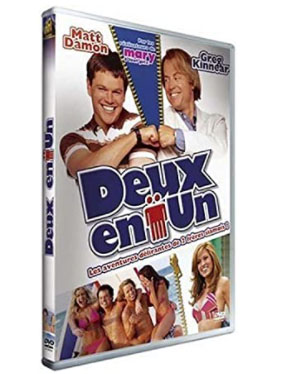
Stuck on You
Synopsis
This hilarious comedy follows Bob and Walt Tenor, affectionate conjoined twins from a small Martha's Vineyard town who share a liver and an unbreakable bond. While Bob is calm, cautious, and an exceptional short-order cook, Walt is outgoing, theatrical, and dreams of making it big as a Hollywood actor. When Walt finally convinces Bob to move with him to Los Angeles so he can pursue stardom, they navigate eccentric agent meetings, bizarre casting calls, and sudden fame. It is a sweet, absurd farce celebrating brotherhood and unconditional support.
The Making of the Film
The project originated from writer-directors Bobby and Peter Farrelly's desire to craft a warm-hearted comedy that subverted physical disability tropes through sweetness, absurdity, and genuine brotherly love. Filmmakers sought to blend trademark Farrelly brothers gross-out humor with a surprisingly tender emotional core. Inspiration was drawn from classic physical comedy farces and real-life conjoined sibling stories. The creative team aimed to produce an entertaining crowd-pleaser that championed inclusion and unconditional familial loyalty.
Critical Reception
Critics offered a mixed array of reviews, praising the surprisingly sweet tone, charming lead performances, and clever physical comedy while critiquing some uneven pacing and juvenile gags. Reviewers noted that Matt Damon and Greg Kinnear displayed incredible physical synchronization and warm chemistry as the conjoined brothers. The film was frequently commended for avoiding mean-spirited mockery, instead treating the characters with dignity and affectionate humor. While some found the plot formulas familiar, its heart won over viewers.
Audience reception was moderately positive, driving the film to decent box office returns and finding a warm home on cable television. Viewers on public platforms praised the hilarious cameos, sweet brotherly dynamic, and absurd Hollywood satire. Fans of Farrelly comedies appreciated the shift toward more wholesome, character-driven humor. Word-of-mouth sustained steady popularity as an entertaining family comedy.
Awards season brought no major mainstream nominations, though the lead actors received praise from comedy guilds for their remarkable physical synchronization on screen. Critics' associations commended the film for promoting positive themes of disability representation wrapped in slapstick humor. These accolades cemented its status as a warm, unique entry in early-2000s studio comedies.
Behind-the-Scenes Stories
The director duo drew visual inspiration from classic television variety shows, Hollywood studio lots, and bright coastal aesthetics to establish a cheerful visual tone. Every set, from the small-town burger joint to the lavish Hollywood soundstages, was designed to reflect the brothers' contrasting ambitions. The production team collaborated with medical consultants and physical movement coaches to ensure that the conjoined twin mechanics looked convincing on screen. These artistic choices created a seamless illusion.
Production presented intense physical and technical hurdles, requiring Matt Damon and Greg Kinnear to wear custom prosthetic harnesses and specialized body-double setups for months of shooting. The stunt and special effects crews worked meticulously to match every shoulder movement, stride, and gesture between the two actors. Shooting on location in Martha's Vineyard and Los Angeles required careful daily scheduling. Furthermore, maintaining high comedic timing while strapped together demanded immense patience from the cast.
During the filming of the stage musical sequences, the actors performed elaborate choreography while tethered together, showcasing remarkable physical dedication. To maintain authentic comedic timing, Damon and Kinnear rehearsed their physical movements extensively prior to principal photography. The crew utilized bright, welcoming lighting to accentuate the feel-good comedy atmosphere. This collaborative environment resulted in seamless physical performances.
Casting focused on securing two major A-list movie stars willing to commit to an absurd physical premise with total sincerity. Matt Damon and Greg Kinnear enthusiastically embraced the challenge, building an instant brotherly bond that anchored the film. Supporting roles were filled with hilarious celebrity cameos, including Cher playing a heightened version of herself. This star-studded casting strategy maximized the comedic and commercial appeal.
Themes Explored
The narrative deeply explores themes of brotherhood, unconditional support, and embracing physical differences. It examines individuality, chasing dreams, and the compromises required in close partnerships. Additionally, it highlights loyalty, fame, and maintaining family bonds amidst outside pressures. Ultimately, the film reflects on love, acceptance, and the unbreakable ties of blood.
Ending Explained
The story concludes when the brothers successfully undergo a safe surgical separation at their own mutual request, allowing Walt to pursue a solo Broadway career and Bob to marry his long-distance sweetheart. However, they soon realize they miss each other's constant presence and quirky symbiosis, leading them to happily reunite their lives and close proximity. The heartwarming resolution celebrates that true brotherhood transcends physical ties.
Meaning of the Title
The title directly references both the literal conjoined physical state of the twins and their unbreakable emotional attachment.
Similar Films
Films sharing similar buddy comedy and physical humor themes include Dumb and Dumber (1994), Me, Myself & Irene (2000), and The Odd Couple (1968).