

 Français
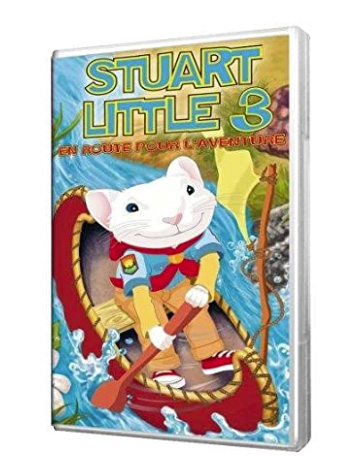
Stuart Little 3: Call of the Wild
Synopsis
Stuart and the Little family set off on a camping trip in the forest. While exploring the wilderness, Stuart meets a family of animals and discovers a whole new world. When a menacing predator threatens the woodland creatures, the little mouse must find the courage to help his new friends. Along the way, he learns about bravery, friendship and what it truly means to be a family.
The Making of the Film
Stuart Little 3: Call of the Wild was produced as a direct-to-video sequel, released in 2005, a few years after the cinema success of the first two films. Sony Pictures Animation took over the project and decided to create the film entirely in computer animation, rather than mixing live action and digital effects. The idea was to continue the adventures of Stuart in a new environment, away from the city. Audu Paden, a director with experience in animation, was chosen to lead the film. The story was inspired by classic outdoor adventures, in which a character is lost in nature and must find his way. The production aimed to appeal to younger audiences who loved the earlier films. The change to full animation was a practical choice that reduced costs and allowed more freedom. The film marks a shift in style for the franchise.
Reviews and reception
Professional critics' summary
Critics paid little attention to the film, as it was released directly to home video. Those who reviewed it generally found it pleasant but less inspired than the earlier films. They pointed out that the all-computer animation lacked the charm of the original mix of live action and effects. The story was seen as simple and aimed at very young viewers.
Audience reception
The film found an audience among children and families on home video and television. Fans of the earlier films were sometimes disappointed by the change in style and the new voice cast. Younger viewers enjoyed the colourful animals and the adventure in the woods. It remains the least known of the three films.
Filming anecdotes
Director's inspirations
Audu Paden aimed to keep the spirit of E.B. White's character while placing him in a new context. The forest setting allowed for a story full of animals, which suited the series. The director also wanted to teach children about nature and courage. The film adopts a simple structure typical of children's adventure tales.
Production difficulties
As a direct-to-video production, the film had a smaller budget and a shorter production schedule than the earlier releases. The team used computer animation for all characters and environments, and had to create the forest from scratch. Without live-action actors, the production relied on voice performances to give the characters life. These constraints shaped the film's look and pace.
Originally planned casting
The voice cast was almost entirely replaced, as the main actors from the first two films did not return. This was a significant change for fans of the series, who were used to the voices of Michael J. Fox and Nathan Lane. New voice actors were chosen to portray Stuart and his companions. Despite the changes, the film kept the same sweet tone as the earlier ones.
Themes explored
The film is about courage and the importance of helping others, even when you are small. Stuart discovers that his true strength lies in his heart. It also highlights the value of family, shown by the Littles' support for him during the trip. Another theme is the beauty and danger of nature, where friendship can be both fragile and vital. The story also encourages respect for the environment and for animals. It shows that new places and new friends can broaden our view of the world. The film also reminds viewers that fear can be overcome with teamwork. Overall, it is a gentle story about bravery and belonging.
Ending explained
After facing the predator that has been threatening the forest animals, Stuart uses his intelligence and agility to defeat it. His new friends are grateful and celebrate his courage. Stuart returns to his family, who have been searching for him with growing worry. The Littles are proud of what he has accomplished, and the family is reunited. The camping trip ends with everyone back together, having shared an unforgettable experience. The film closes with a message about the strength of family and friendship. It offers a happy ending suited to its young audience.
Meaning of the title
The subtitle Call of the Wild is a well-known phrase that evokes the pull of nature and adventure. It suggests that Stuart is drawn into an unfamiliar world beyond the comfort of home. The phrase echoes the title of Jack London's famous novel, adding a literary touch. In the film, it refers to the call to be brave and to protect the forest. The title also signals a change of setting from the city to the wilderness. Together with the name Stuart Little 3, it makes clear that this is a new chapter in the series. It promises a story of discovery and courage.
Similar Films
Stuart Little and Stuart Little 2 are the earlier films in the series. Open Season and Over the Hedge are other animated comedies set in the great outdoors. Bambi and The Fox and the Hound are classic tales of forest animals. Alpha and Omega and Rio offer similar family adventures.