

 Français
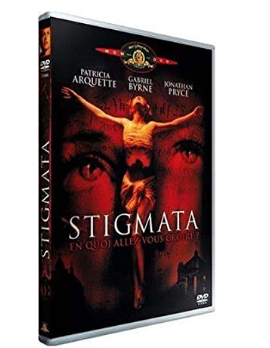
Stigmata
Synopsis
Frankie Paige is a carefree twenty-three-year-old atheist living in Pittsburgh whose life is violently disrupted when she inexplicably begins manifesting the stigmata—the physical wounds of Christ. As her condition worsens with violent, bleeding afflictions, the Vatican dispatches Father Andrew Kiernan, a Jesuit scientist and investigator, to examine her case. Kiernan discovers that Frankie has become unwittingly possessed by the spirit of a rebellious, dead Italian priest carrying a suppressed gospel message. Together, they must expose a clerical cover-up before the Vatican silences Frankie forever.
The Making of the Film
Screenwriters Tom Lazarus and Rick Ramage were inspired by religious conspiracy theories, faith mysticism, and historical accounts of stigmata manifestations. Director Rupert Wainwright was brought on board by Metro-Goldwyn-Mayer to infuse the supernatural thriller with a stylish, music-video-inspired aesthetic. The production utilized striking visual effects, stylized color grading, and atmospheric church locations to build supernatural dread. The film starred Patricia Arquette and Gabriel Byrne in the lead roles.
Critical Reception
Upon its release, Stigmata received generally negative reviews from critics who criticized its heavy-duty jump scares and perceived anti-Catholic bias, but it performed well at the box office. Reviewers noted Patricia Arquette's committed lead performance and the film's slick, kinetic visual style, despite its derivative horror tropes. Audiences embraced its fast-paced supernatural mystery, driving strong commercial ticket sales. Viewers enjoyed its eerie atmosphere, religious conspiracy elements, and suspenseful confrontations. While it missed major traditional awards, it achieved solid commercial success and a distinct cult following among 90s horror fans.
Behind-the-Scenes Stories
Rupert Wainwright drew inspiration from classic possession films like The Exorcist combined with modern MTV visual styling and music video editing techniques. Production challenges included complex makeup effects to simulate stigmata wounds realistically on Patricia Arquette during intense emotional sequences. Patricia Arquette underwent grueling prosthetic sessions daily and performed intense physical convulsions for the possession scenes. The initial casting process sought out Arquette to bring vulnerability and strength to the tormented protagonist.
Themes Explored
The film explores religious faith, institutional corruption, suppressed gospels, spiritual possession, and divine intervention. It examines skepticism versus belief and clerical secrecy.
Ending Explained
The thrilling climax occurs in a hospital room where Cardinal Houseman attempts to exorcise and silence Frankie, but her possessed voice reveals the true, liberating message of Jesus Christ directly to Father Kiernan. The suppressed Aramaic gospel text is saved and translated, breaking the corrupt clerical cover-up. In the final scene, a healed Frankie walks peacefully through a sunny park, having regained her peace of mind and spiritual balance.
Meaning of the Title
The title 'Stigmata' refers directly to the mysterious, unexplained bodily wounds corresponding to the crucifixion marks of Jesus Christ appearing on the protagonist.
Original Soundtrack
Elia Cmiral composed an atmospheric, chilling orchestral and electronic score blended with haunting vocal chants that amplified the film's supernatural mystery.
Similar Films
'The Exorcism of Emily Rose', 'End of Days', and 'The Ninth Gate' share similar religious horror conspiracies, supernatural investigations, and clerical cover-ups.