

 Français
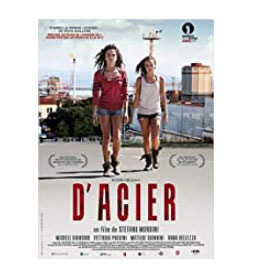
Steel
Synopsis
Set in a gritty, working-class industrial neighborhood in Piombino, Italy, Stefy and Anna are two inseparable teenage sisters living with their abusive, unemployed father and working dead-end jobs to survive. Despite their grim domestic reality, they find solace in their tight friendship and local teenage romances. When Stefy begins an intense relationship with a charismatic local boy while Anna navigates her own awakening, their lives are shattered by a tragic industrial accident at the local steel mill where their father works. The tragedy exposes the brutal economic desperation, toxic masculinity, and bleak industrial reality of their working-class town.
The Making of the Film
Adapted from Silvia Avallone's bestselling 2010 Italian novel, the film was directed by Stefano Mordini. Mordini sought to capture the harsh, uncompromising neorealist reality of modern Italian industrial towns overshadowed by massive steel mills. Screenwriter Niccolò Ammaniti adapted the literary material to emphasize teenage female resilience amidst poverty and domestic abuse. The production utilized authentic industrial landscapes in Piombino, Italy.
Critical Reception
Critical reception for the film was generally positive among European critics, who praised its gritty neorealist atmosphere, powerful teenage lead performances, and unflinching examination of working-class Italian poverty. Critics lauded Mordini for blending adolescent coming-of-age drama with bleak industrial critique. Audiences in Italy responded to its authentic regional realism. It is remembered as a stark, powerful Italian drama.
Behind-the-Scenes Stories
The young lead actresses were discovered through extensive local open casting calls in Italian high schools to ensure authentic regional accents and working-class backgrounds. The production was filmed on location in the actual industrial port city of Piombino, utilizing massive steel mill backdrops and working-class housing estates. Director Stefano Mordini maintained a harsh, naturalistic visual style without artificial lighting. The swimming pool and beach scenes provided stark visual contrast to the grey steel mills.
Themes Explored
The film explores working-class poverty, industrial labor, domestic abuse, female teenage friendship, and sexual awakening in modern Italy. It highlights economic desperation, toxic masculinity, and survival in factory towns. Steel mill backdrop drives the gritty narrative. It also touches upon family.
Ending Explained
Following the devastating steel mill accident that injures their father and further impoverishes the family, Stefy and Anna realize they must break away from the generational cycle of industrial despair plaguing their hometown. Stefy chooses to leave Piombino behind to seek a brighter future elsewhere, while Anna matures with hardened resilience. Standing by the smoking industrial skyline, they embrace their uncertain paths into adulthood. The conclusion provides a bittersweet, realistic neorealist wrap-up.
Meaning of the Title
The Italian title "Acciaio" translates to "Steel" in English, symbolizing the dominant industrial material of the local factory, the economic backbone of the town, and the emotional hardness required by the characters to survive. It represents strength and oppression. The concise title sets a gritty neorealist drama tone.
Riccardo Sinigallia composed a minimalist, atmospheric electronic score that accentuated the grey industrial bleakness.
Gomorrah, Rosetta, Fish Tank, Two Days, One Night