

 Français
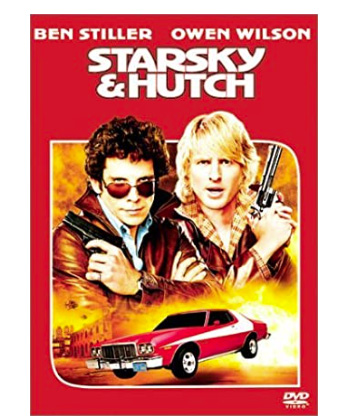
Starsky & Hutch
Synopsis
David Starsky and Ken Hutchinson are two detectives with very different personalities who patrol the streets of Bay City, California. Starsky is an energetic and disciplined officer, while Hutch prefers improvisation and a more relaxed approach to police work. When a drug dealer is found murdered, the two detectives investigate a criminal operation led by the wealthy and influential Reese Feldman. Their investigation brings them into contact with the eccentric informant Huggy Bear. As the case becomes increasingly complicated, the mismatched partners must learn to trust one another.
The Making of the Film
Starsky & Hutch is a feature-film adaptation of the popular American television series that originally aired between 1975 and 1979. The project was designed as both a tribute to the original show and a comedy that could introduce its characters to a new generation. Director Todd Phillips, known for his interest in irreverent humour and unconventional friendships, approached the material with a deliberately playful tone. The screenplay was developed by Phillips, John O'Brien, Scot Armstrong and Stevie Long. Rather than simply reproducing the serious police drama of the television series, the filmmakers chose to exaggerate the differences between the two detectives. Ben Stiller and Owen Wilson were cast as Starsky and Hutch, bringing their established comic chemistry to the central partnership. The film recreates the visual atmosphere of 1970s television, including period clothing, cars and music. Its premise combines a crime investigation with a parody of the buddy-cop genre.
Critical Reception
Professional Reviews
Starsky & Hutch received mixed to moderately positive reviews from professional critics. Many reviewers appreciated the chemistry between Ben Stiller and Owen Wilson, whose contrasting comic styles provide the film's main attraction. The recreation of the 1970s atmosphere and the affectionate references to the original television series were also frequently praised. Other critics felt that the humour was inconsistent and that the detective plot was less engaging than the comedy between the two leads. Some reviews considered the film an entertaining nostalgia-driven adaptation, while others found it too dependent on familiar buddy-cop conventions. Overall, the film was regarded as a light and accessible comedy rather than a particularly original crime film.
Audience Reception
The film attracted a broad audience, including viewers who remembered the original television series and younger spectators drawn by its comedy stars. Its combination of action, humour and recognisable characters helped it achieve commercial success. Ben Stiller and Owen Wilson's partnership was particularly popular with audiences familiar with their previous collaborations. The film also introduced the original series to viewers who had never watched it. Although reactions varied, it developed a lasting reputation as an entertaining early-2000s comedy.
Awards
Starsky & Hutch did not receive major Academy Award or Golden Globe recognition. Its awards presence was limited compared with the major prestige productions released in 2004. The film's commercial appeal and the popularity of its cast were more important to its public profile than awards-season recognition. Its enduring visibility comes largely from its status as a comic adaptation of a well-known television property.
Behind the Scenes
Director Inspirations
Todd Phillips drew on the original television series and the visual culture of 1970s American police entertainment. The film deliberately reproduces the period's fashion, cars, colours and musical atmosphere while exaggerating its conventions for comic effect. The director also used the familiar contrast between a strict, energetic detective and a relaxed partner to create a modern buddy-comedy dynamic. The result is both a parody and an affectionate homage to the source material.
Casting
Ben Stiller and Owen Wilson were central to the project because of their established comic chemistry. Snoop Dogg was cast as Huggy Bear, giving the character a distinctive contemporary personality while retaining the informant's importance to the original series. Vince Vaughn plays the antagonist Reese Feldman, while Fred Williamson appears as Captain Doby. The casting deliberately mixes established comedy performers with actors whose presence evokes the action and crime films of earlier decades.
Production Design
The production recreated the look of 1970s California through period vehicles, costumes, hairstyles and carefully selected locations. The famous red-and-white Ford Gran Torino was an essential visual element, serving as a direct reference to the television series. The filmmakers also paid attention to the colour palette and framing of the original programme. These details help the film establish its nostalgic atmosphere without abandoning its comic tone.
Themes
Partnership and friendship are at the heart of Starsky & Hutch. The two detectives begin as an unlikely team because their personalities and working methods appear incompatible. Their investigation gradually reveals that their differences can become strengths when they learn to trust each other. The film also explores loyalty, professional responsibility and the importance of cooperation. Its police setting provides opportunities to parody authority, criminal stereotypes and familiar television conventions. Nostalgia is another important theme, as the film revisits the visual language of 1970s entertainment. The comedy often comes from the contrast between the seriousness with which the detectives approach their work and the absurdity of the situations they encounter. Ultimately, the story celebrates friendship as the foundation of an effective partnership.
Ending Explained
The investigation eventually exposes Reese Feldman's criminal operation and brings the two detectives closer to solving the case. Starsky and Hutch succeed not because they become identical in their approach, but because they learn to combine their different abilities. Their relationship develops from an awkward professional arrangement into a genuine friendship. The conclusion restores their status as a functioning police partnership and confirms the value of their cooperation. The film also closes with a humorous acknowledgement of the original television series, reinforcing its role as an affectionate adaptation. The ending is deliberately light-hearted and focuses more on the characters' bond than on the mechanics of the criminal investigation. It leaves the detectives ready for further adventures together.
Meaning of the Title
The title simply combines the surnames of the two central detectives, David Starsky and Ken Hutchinson. It directly recalls the title of the 1970s television series on which the film is based. The use of both names emphasises that the story is fundamentally about a partnership rather than an individual hero. Their contrasting personalities are the source of much of the film's comedy, but their names together also represent their growing professional and personal connection. The title therefore preserves the identity of the original series while presenting the characters to a new generation.
Original Soundtrack
The soundtrack is an important part of the film's recreation of the 1970s. It features period soul, funk and popular music that helps establish the atmosphere of the original television series. The musical selection reinforces the film's nostalgic approach and accompanies its action sequences and comic set pieces. Rather than relying exclusively on a conventional orchestral score, the production uses recognisable songs to evoke the decade. The music is therefore an essential element of the film's visual and cultural homage.
Similar Films
- 21 Jump Street (2012), a comedy adaptation of a television police series.
- The Other Guys (2010), a buddy-cop comedy built around two mismatched detectives.
- Miami Vice (2006), another feature-film adaptation of a famous 1980s police television series.
- The Nice Guys (2016), a crime comedy set in a stylised version of 1970s Los Angeles.