

 Français
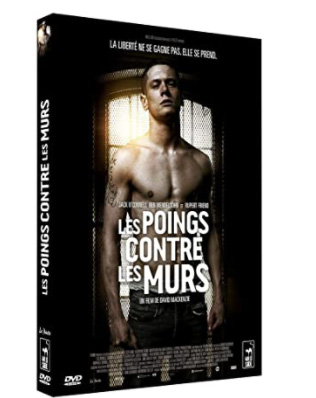
Starred Up
Synopsis
A violently explosive and troubled teenager is transferred prematurely into an adult British prison, where he is forced to navigate a brutal penal system. Inside the grim facility, he unexpectedly crosses paths with his estranged, long-incarcerated father, creating a volatile domestic dynamic behind bars. As prison politics, corrupt guards, and gang tensions escalate, father and son must confront their violent pasts. This gritty British drama delivers unflinching realism and powerful performances.
The Making of the Film
The idea for Starred Up came from screenwriter Jonathan Asser, who drew directly from his real-life experiences working as a volunteer therapist with violent offenders in British prisons. Director David Mackenzie was immediately captivated by the raw authenticity and emotional intensity of Asser's script. The production team sought to create an uncompromising, realistic portrait of institutional life without relying on Hollywood cinematic tropes. The title itself refers to the British prison term "starred up," used when a juvenile inmate is prematurely moved to an adult facility.
Critical Reception
Professional critics gave universal acclaim to Starred Up, praising its searing realism, taut direction, and breakout lead performances by Jack O'Connell and Ben Mendelsohn. Reviewers lauded the film for avoiding melodramatic clichés and instead presenting a psychologically complex, empathetic look at institutionalized trauma and father-son reconciliation. The public response was strong within independent cinema circles, establishing the film as a modern masterwork of British gritty drama. Audiences were mesmerized by the fierce emotional intensity of the performances. The film received numerous nominations and awards from international film festivals and independent critic associations.
Filming Anecdotes
Director David Mackenzie drew inspiration from classic prison dramas and documentary footage of real British penitentiaries to establish an immersive, claustrophobic atmosphere. Production was shot on location inside a disused Belfast prison, utilizing the authentic cells and echoing halls to enhance the actors' genuine sense of confinement. During the filming of the intense brawl and therapy sessions, the actors worked with movement and fight coordinators to ensure every physical confrontation looked terrifyingly real. Before Jack O'Connell secured the lead role, several young actors auditioned, but O'Connell's raw energy made him the perfect fit.
Main Themes
The film explores deep themes of generational trauma, institutionalization, paternal relationships, anger management, and redemption within toxic environments. It examines how violence is learned and passed down through families and the difficult steps required to break that cycle. Additionally, it highlights human resilience and the search for empathy behind bars.
Ending Explanation
The climax resolves the prison tension when Eric Love chooses to protect his father during a violent inmate riot rather than succumbing to his own destructive rage, cementing their fragile bond. Having survived the prison warfare and completed his therapy sessions, Eric demonstrates genuine emotional growth and self-control. Although life inside remains harsh, father and son achieve a profound emotional reconciliation, finding mutual understanding for the first time. The film ends on a cautiously hopeful note of personal transformation.
Title Significance
The title directly references British penal jargon for transferring a young offender prematurely into an adult prison system, setting the stage for the harsh trials faced by the protagonist.
NULL
NULL
A Prophet, Bronson, The Shawshank Redemption, In the Name of the Father