

 Français
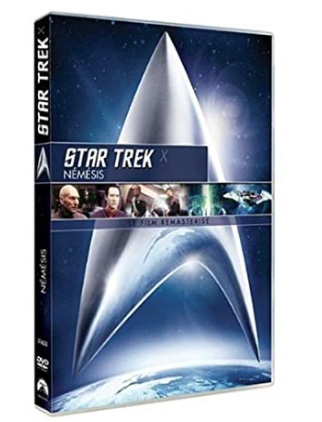
Star Trek: Nemesis
Synopsis
As the USS Enterprise-D embarks on a diplomatic mission to the Romulan Empire following a sudden political coup led by a mysterious newcomer, Captain Jean-Luc Picard discovers a shocking revelation. The new Romulan praetor is actually Shinzon, a young human clone of Picard created decades earlier in a failed Romulan experiment before being abandoned to the mines of Remus. Now suffering from a fatal cellular degradation, Shinzon lures Picard into a trap to harvest his blood and unleash a devastating weapon of mass destruction against Earth. The sci-fi action adventure delivers epic space combat and emotional franchise farewells.
The Making of the Film
Director Stuart Baird directed the tenth Star Trek feature film, working from a script by John Logan designed to provide a definitive cinematic send-off for the Next Generation crew. The inspiration stemmed from exploring identity, nature versus nurture through the classic cloning sci-fi trope. The production team invested heavily in massive space battle CGI, elaborate Romulan warbird designs, and starship interior sets. The script was structured to test Picard against a younger, darker reflection of himself.
Critical Reception and Reviews
Professional critics gave mixed to negative reviews, criticizing the film's derivative plot, recycled action tropes, and heavy reliance on franchise formulas, while praising Patrick Stewart and Tom Hardy's intense performances. Reviewers noted that despite high production values, the movie felt like an uninspired television episode stretched to feature length. Public reception was weak, and upon its theatrical release, it became a massive box-office bomb that temporarily halted the franchise. The film earned Saturn Award nominations for its makeup and costume design.
Filming Anecdotes
Director Stuart Baird drew visual inspiration from classic naval warfare cinema and previous Star Trek cinematic aesthetics. Production took place on expansive soundstages at Paramount Pictures, utilizing detailed bridge and engineering sets. During the filming of intense confrontation scenes, a young Tom Hardy brought terrifying intensity to his portrayal of the clone Shinzon. The production marked the final cinematic appearance of Patrick Stewart's Next Generation crew until decades later in television.
Themes Explored
The film explores nature versus nurture, aging, cloning ethics, sacrifice, and loyalty among starship crewmates.
The emotional climax sees Lieutenant Commander Data sacrificing his life to destroy Shinzon's doomsday weapon, saving the Enterprise and bidding a heartbreaking farewell to Picard.
Meaning of the Title
The title refers directly to the Greek mythological concept of "Nemesis"—an inescapable agent of retribution—symbolizing Shinzon's role as Picard's dark clone adversary.
Original Soundtrack
Jerry Goldsmith composed a majestic orchestral sci-fi score featuring sweeping brass motifs and emotional string arrangements for his final contribution to the Star Trek franchise.
The film remains a notable historical turning point in the Star Trek franchise preceding its television revival era.
Star Trek VI: The Undiscovered Country, Star Trek: First Contact, Star Trek II: The Wrath of Khan