

 Français
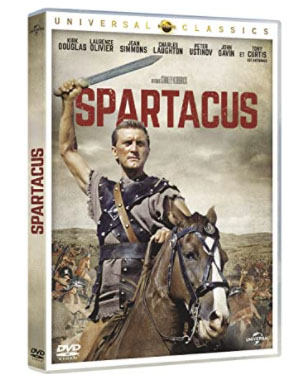
Spartacus
Synopsis
This gritty, ultra-violent historical action drama television series chronicles the legendary tale of Spartacus, the Thracian gladiator who led a massive slave rebellion against the Roman Republic. Betrayed by Roman commanders and sold into the brutal ludus of Batiatus in Capua, Spartacus must survive lethal arena combat while plotting vengeance and seeking his abducted wife. Alongside fellow gladiators, he sparks an epic revolt that shakes the foundations of the mighty Roman Empire. It is a stylish, adrenaline-fueled epic filled with political treachery, visceral combat, and operatic drama.
The Making of the Film
Project origins stemmed from Starz Network's desire to create a bold, high-concept original series that combined graphic historical action with serialized political intrigue. Showrunner Steven S. DeKnight sought to build a distinct visual style heavily inspired by graphic novels like '300', utilizing stylized slow-motion combat and vibrant soundstages. Inspiration was drawn from historical Roman slave revolts, classical mythology, and gritty cable television drama. The creative team aimed to produce an uncompromised, adult-oriented epic.
Critical Reception
Critics offered a mixed-to-positive array of reviews during its initial season, praising its bold stylistic ambition, thrilling gladiatorial combat, and John Hannah's deliciously wicked villainy while critiquing its excessive gore and nudity. Reviewers noted that after a rocky opening, the series found its dramatic footing through complex political scheming and emotional character arcs. Andy Whitfield's powerhouse lead performance received universal acclaim for bringing tragic depth to the iconic warrior. As the series progressed, critical respect grew enormously.
Audience reception was massive and enthusiastic, driving the series to become a monster ratings hit for Starz and cultivating a fierce global fanbase. Viewers on public platforms praised the spectacular arena fight choreography, memorable dialogue, and shocking plot twists. Fans of historical fantasy and action celebrated its unapologetic adult tone and emotional storytelling. Word-of-mouth sustained massive home video popularity.
Awards season brought recognition from various Saturn Awards and television guild ceremonies, honoring the series' visual effects, stunt coordination, and breakout acting performances. Critics' associations praised the show's resilience in recasting the lead role following tragic real-life health circumstances. These accolades cemented its status as a landmark triumph in cable action television.
Behind-the-Scenes Stories
The director and showrunner drew visual inspiration from graphic novel art, Frank Miller's '300', and classical historical cinema to establish a highly stylized visual aesthetic. Every arena, villa, and blood-soaked training yard was constructed entirely inside digital soundstages using vibrant green-screen technology. The production team collaborated with historical advisors to ensure that gladiatorial combat styles and Roman political titles reflected historical accuracy. These artistic choices created a uniquely operatic cinematic world.
Production presented intense physical and emotional hurdles, requiring the lead actors to undergo grueling boot camps to build authentic gladiatorial physiques. The tragic real-life illness of original lead Andy Whitfield forced a production hiatus and a respectful recasting with Liam McIntyre for subsequent seasons, inspiring massive solidarity from the cast. Shooting entirely on indoor soundstages required obsessive coordination between physical stunt teams and digital VFX artists. Furthermore, managing complex bloody battle choreography demanded strict safety protocols.
During the filming of the brutal arena death match sequences, the stunt crews executed elaborate wire-work and practical weapon impacts to maximize visual punch. To maintain emotional gravity, the actors engaged in intensive script readings to anchor the stylized violence in genuine dramatic stakes. The crew utilized saturated color grading and dynamic frame rates to accentuate the blood and sweat of combat. This rigorous dedication resulted in legendary television moments.
Casting was anchored by discovering Australian actor Andy Whitfield, whose incredible charisma, physical intensity, and tragic real-life grace defined the iconic hero. Supporting casting directors assembled a stellar ensemble including Lucy Lawless, John Hannah, and Manu Bennett, whose villainous and complex performances drove the narrative. This targeted casting strategy was the absolute secret to the show's emotional success.
Themes Explored
The narrative deeply explores themes of freedom, rebellion against systemic oppression, and fighting for human dignity. It examines political corruption, betrayal, and the brutal realities of Roman slavery. Additionally, it highlights brotherhood, loyalty, and sacrificing oneself for a greater cause. Ultimately, the film reflects on power, revolution, and the eternal human quest for liberty.
Ending Explained
The epic series finale reveals the tragic fall of the slave army at the hands of Marcus Licinius Crassus, resulting in the death of Spartacus in battle. However, surviving key rebels manage to break through Roman lines and escape toward freedom over the mountains. The emotional final montage honors all fallen brothers who fought for liberty, cementing Spartacus's legacy as an immortal symbol of resistance.
Meaning of the Title
The title directly references the historical Thracian gladiator and revolutionary leader who spearheaded the legendary slave revolt against Rome.
Similar Films
Films sharing similar epic historical combat and ancient Roman themes include Gladiator (2000), 300 (2006), and Rome (2005 HBO series).