

 Français
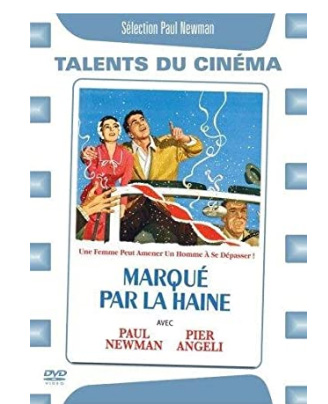
Somebody Up There Likes Me
Synopsis
The turbulent life and rise of Rocky Graziano, a young delinquent from the streets of New York who discovers a path to redemption through boxing. Overcoming a violent youth, a stint in reform school, and a brief time in the military, he channels his explosive anger into the sport. Guided by supportive mentors and his loving wife, he claws his way to the middleweight championship of the world. His journey proves that personal transformation is possible even from the deepest despair.
The Making of the Film
Director Robert Wise was tasked with adapting Rocky Graziano's bestselling autobiography into a gritty, realistic cinematic portrait of urban survival. Producer Charles Schnee recognized the powerful commercial and emotional potential of translating Graziano's turbulent life journey to the silver screen. The production team intentionally sought out a visual style that mirrored the harsh, unforgiving tenement landscapes of 1940s New York City. Screenwriter Ernest Lehman meticulously worked to balance the brutal realities of gang life with an uplifting message of personal rehabilitation. The project faced early skepticism from studio executives regarding whether audiences would embrace a protagonist with such a dark and criminal past.
Critical Reception
Critics lauded the film for its raw energy, authentic atmosphere, and Paul Newman's electrifying breakout performance as the troubled boxer. Reviewers praised Robert Wise for maintaining a brisk, muscular pacing that avoided overly sentimental melodrama while highlighting genuine emotional growth. Audiences flooded theaters, captivated by the gritty depiction of the sport and the tender romantic subplot between Graziano and his wife. The film achieved major critical and commercial success, earning multiple Academy Award nominations including wins for cinematography and art direction. It remains widely regarded as one of the definitive boxing movies of the golden age of Hollywood.
Behind-the-Scenes Stories
Robert Wise drew inspiration from Italian neorealism and gritty American urban dramas to capture the authentic squalor of New York's Lower East Side. Paul Newman was a late replacement for James Dean, who tragically died in a car crash just as pre-production was beginning. To prepare for the role, Newman spent weeks training with the real Rocky Graziano, who taught him how to fight and move like a professional middleweight. During the filming of the boxing sequences, Newman and his opponents used carefully choreographed movements while occasionally absorbing real accidental blows to maintain visual realism.
Themes Explored
The film explores the redemptive power of sports, second chances, and the choice to break free from generational cycles of poverty and violence. It examines the crucial role of love, patience, and unwavering support from a partner in healing emotional trauma. Furthermore, it highlights the struggle between personal demons and the innate desire for self-betterment.
Ending Explained
Rocky Graziano triumphs in the ring, claiming the middleweight championship title in a crowning moment that validates his lifelong struggle for self-respect and redemption. Standing victorious, he acknowledges the loving wife and mentors who stood by him through every dark phase of his life. The conclusion offers a powerful sense of closure, showing that a troubled past does not dictate one's ultimate destiny.
Meaning of the Title
The title reflects Rocky Graziano's personal expression of overwhelming gratitude and disbelief at surviving a dangerous youth and achieving world championship glory against all odds.
Other classic boxing dramas such as Raging Bull, The Champion, and Rocky.