

 Français
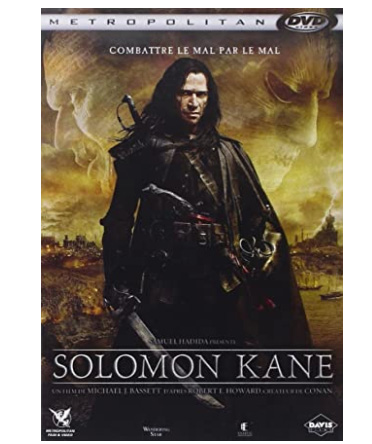
Solomon Kane
Synopsis
Set in early 17th-century Europe, Solomon Kane is a brutal, ruthless English mercenary captain fighting in bloody colonial wars across Africa who discovers a demonic reaper claiming his soul for Hell due to his countless sins. Terrified of damnation, Kane flees the battlefield and renounces violence, seeking absolute redemption as a peaceful puritan wanderer in England. However, when a pious family who took him in is brutally slaughtered by a sadistic masked warlord working for an ancient dark sorcerer, and their young daughter is kidnapped, Kane realizes his violent skills are desperately needed. Forced to take up his swords once again, Kane embarks on a dark crusade across cursed, monster-infested lands to rescue the innocent and purge evil.
The Making of the Film
Written and directed by M.J. Bassett, the dark fantasy action film was adapted from Robert E. Howard's pulp magazine fantasy character Solomon Kane created in 1928. Bassett sought to create a gritty, atmospheric dark fantasy epic drenched in mud, blood, and Puritan folklore rather than polished Hollywood fantasy tropes. James Purefoy was cast as the brooding Puritan swordsman, bringing intense physical commitment and gravitas to the role. The production utilized rugged, wet locations in the Czech Republic.
Critical Reception
Critical reception for the film was generally mixed, with reviewers praising James Purefoy's powerhouse lead performance, atmospheric Czech locations, and gritty, uncompromising R-rated action. However, some critics faulted the narrative for relying on standard dark fantasy tropes and uneven pacing. Audiences offered a modest box office response in Western markets, though international home video sales built a passionate cult following. It is celebrated as a solid, dark pulp fantasy adventure.
Behind-the-Scenes Stories
James Purefoy underwent rigorous broadsword combat and horseback riding training in Prague prior to principal photography to perform his own action stunts. The production faced freezing, muddy weather conditions while filming on location across historic castles and dark forests in the Czech Republic. Director M.J. Bassett insisted on practical special effects, makeup prosthetics, and real pyrotechnics rather than excessive CGI monsters. The iconic feathered hat and flintlock pistols were meticulously crafted to match Howard's pulp descriptions.
Themes Explored
The film explores redemption, religious guilt, dark fantasy folklore, puritanical righteousness, and fighting demonic evil. It highlights family protection, violence as a necessary tool, and spiritual awakening. Monster hunting drives the action narrative. It also touches upon sacrifice.
Ending Explained
Solomon Kane confronts the dark sorcerer and the masked warlord in a brutal final showdown inside a burning fortress, sacrificing his safety and battling hordes of demonic ghouls to rescue the surviving captives. Killing the sorcerer and breaking the dark curse on the land, Kane is finally absolved of his past sins, his soul saved from damnation. He rides off into the English countryside as a purified protector of the innocent. The conclusion provides a triumphant, dark fantasy wrap-up.
Meaning of the Title
The title is the name of the legendary pulp fiction protagonist created by Robert E. Howard: "Solomon Kane," symbolizing a grim Puritan swordsman waging war against darkness. It highlights identity and pulp heroism. The phrase sets a dark fantasy tone.
Klaus Badelt composed a thunderous, atmospheric orchestral and choral dark fantasy score that amplified the gritty medieval action.
Season of the Witch, The 13th Warrior, Van Helsing, Solomon Kane