

 Français
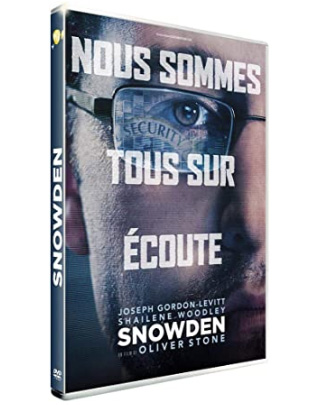
Snowden
Synopsis
Edward Snowden, a loyal American patriot and intelligence contractor working for the CIA and NSA, uncovers a staggering web of mass global surveillance conducted by the United States government. Deeply troubled by the violation of constitutional privacy rights and civil liberties, he decides to risk everything by copying thousands of classified documents. Traveling to Hong Kong, he leaks the sensitive files to journalists Laura Poitras and Glenn Greenwald, sparking an international media firestorm. Forced into sudden exile, Snowden becomes one of the most wanted and polarizing whistleblowers in modern history.
The Making of the Film
Director Oliver Stone and screenwriter Kieran Fitzgerald developed the biographical political thriller based on Luke Harding's book 'The Snowden Files' and Anatoly Kucherena's novel 'Time of the Octopus'. Stone was driven to make the film out of a deep personal interest in government surveillance, civil liberties, and whistleblowing ethics. The production required extreme secrecy and independent international financing to avoid corporate or governmental interference. Stone and his crew even met with the real Edward Snowden in Moscow multiple times during script development to ensure historical accuracy.
Critical Reception and Reviews
Professional Critic Reviews
Critics offered mixed-to-positive reviews, praising Joseph Gordon-Levitt's restrained lead performance and the urgent timeliness of the subject matter. Reviewers noted that while Oliver Stone's direction occasionally leaned into heavy-handed political lecturing and conventional biopic structure, the film remained a compelling cautionary tale. The technical depiction of high-tech espionage and data collection received widespread praise. Overall, it was regarded as an important, gripping political drama.
Public Reception
Audiences responded with strong engagement, drawn by the real-world notoriety of the whistleblower and the tense, cloak-and-dagger atmosphere of the Hong Kong leaks. Viewers appreciated the film for breaking down complex cybersecurity concepts into understandable narrative stakes. It sparked renewed public debate regarding digital privacy rights.
Awards and Honors
While the film missed major Academy Award traction, Joseph Gordon-Levitt earned critical nominations for his meticulous physical and vocal embodiment of Edward Snowden. The political thriller received recognition from independent film bodies for its courageous tackling of contemporary geopolitical issues.
Filming Anecdotes
Director's Inspirations
Oliver Stone drew inspiration from classic political conspiracy thrillers of the 1970s, such as 'All the President's Men' and 'The Parallax View'. He wanted to emphasize the invisible, omnipresent nature of modern digital surveillance contrasted against human paranoia. The visual style utilized cold, sterile blue tones in intelligence offices to evoke bureaucratic alienation.
Production Difficulties
Filming covert international locations across Munich, Washington D.C., and Hong Kong required extreme logistical secrecy and independent financing arrangements. Joseph Gordon-Levitt spent months studying Snowden's actual speech patterns, posture, and professional background to achieve precise verisimilitude. Navigating the complex legal sensitivities of active geopolitical controversies required constant advisory oversight.
Particular Scene Anecdote
The tense Hong Kong hotel room sequence where Snowden hands over classified hard drives to journalists was filmed with palpable real-life tension on set. Joseph Gordon-Levitt adopted Snowden's characteristic quiet humility and intense nervous focus between takes. The real Edward Snowden made a surprise cameo appearance at the very end of the film, adding profound historical weight.
Initial Casting Choices
Joseph Gordon-Levitt was Oliver Stone's absolute first choice to portray Snowden, sharing a mutual dedication to civil liberties and digital privacy advocacy. Shailene Woodley was cast as Snowden's long-time partner Lindsay Mills, bringing emotional grounding and warmth to the personal subplot. The supporting cast was populated with seasoned character actors representing intelligence agency handlers.
Themes Explored
The film explores the erosion of privacy in the digital age and the ethical responsibilities of citizens witnessing systemic government overreach. It examines the personal cost of whistleblowing and state-sponsored retaliation. Another major theme is patriotism versus blind obedience to institutional authority. Ultimately, it serves as a urgent defense of civil liberties.
The narrative concludes with Edward Snowden successfully releasing the classified files to global journalists and escaping into permanent political exile in Russia, where he is joined by Lindsay Mills. Archival footage of the real Edward Snowden speaking at a conference emphasizes his ongoing advocacy for global privacy rights. The final moments underscore the enduring global impact of his revelations on internet security and state transparency. It signifies a life permanently altered by a singular moral choice.
Meaning of the Title
The title 'Snowden' directly references the surname of the central whistleblower, transforming his name into a modern symbol of digital privacy and government accountability. It personalizes a massive geopolitical data scandal into a portrait of individual conscience and sacrifice. The single-word title establishes the biographical and political focus of the film.
["Citizenfour", "The Post", "Bridge of Spies"]