

 Français
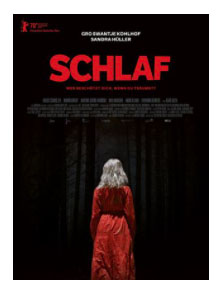
Sleep
Synopsis
Sleep follows Marlene, a young woman plagued by recurring, terrifying nightmares of a desolate rural hotel where her ancestors suffered a dark fate. When her mother travels to investigate the mysterious village of Schwalbennest and falls into an unexplained comatose sleep, Marlene follows her there. Uncovering an ancient, eerie curse binding the village's inhabitants to a supernatural entity that feeds on dreams, Marlene must venture into the nightmarish subconscious realm to rescue her mother before she sleeps forever.
The Making of the Film
Directed by German filmmaker Michael Venus, the film was conceived as a dark, atmospheric folk-horror fairy tale exploring generational trauma, repressed family secrets, and German folklore. The inspiration stemmed from traditional gothic horror tropes combined with surreal psychological dream logic. The production utilized misty rural German landscapes and expressionistic lighting to build a deeply unsettling atmosphere.
Critical Reception
Critics praised the film for its striking visual style, eerie folklore atmosphere, and ambitious psychological depth. Reviewers noted that while the complex narrative required patience, its chilling imagery and atmospheric dread made it a notable contribution to modern European horror cinema. The sound design received special commendation for creating an immersive dreamscape.
Audiences interested in folk horror and psychological thrillers appreciated the film's bleak tone, intricate puzzle-box mystery, and spooky rural setting. Viewers found it to be a haunting and visually memorable experience.
The film received recognition at international fantasy and horror film festivals, earning nominations for its cinematography, sound design, and imaginative direction.
Behind-the-Scenes Stories
Michael Venus drew inspiration from classic German Romanticism, Brothers Grimm folklore, and modern psychological horror films like Suspiria and The Shining.
Shooting misty night scenes in remote German forests required grueling outdoor schedules and precise artificial fog coordination to maintain an otherworldly aesthetic.
During the filming of the dream-hotel sequence, the crew utilized vintage camera lenses to soften the focus, creating a hazy, unsettling border between reality and nightmare.
Casting discussions focused on finding actors capable of conveying deep psychological vulnerability and eerie familial connection.
Themes Explored
The film explores generational trauma, repressed memories, folklore curses, the subconscious mind, and the eternal battle between family legacy and personal freedom.
Ending Explained
The climax resolves when Marlene confronts the dream entity in the subconscious hotel, choosing to forgive her family's past sins to break the generational curse and awaken her mother.
Meaning of the Title
Reference to the terrifying sleep-coma afflicting the mother and the supernatural dream realm where nightmares cross into waking reality.
Similar films include The Witch, Hereditary, A Cure for Wellness, and Sleepy Hollow.