

 Français
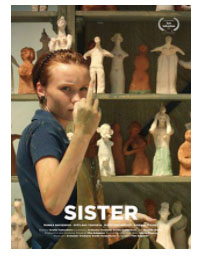
Sister
Synopsis
Note: Original Bulgarian title translates to Sestra / Directed by Svetla Tsotsorkova. Set in a rugged, impoverished region of rural Bulgaria, a mischievous teenage girl invents elaborate lies and tall tales to cope with her harsh daily existence and gain attention from her overworked single mother. When one of her fabricated stories accidentally ruins her older sister's life and romance, the family is thrown into deep emotional turmoil. Struggling with guilt and familial estrangement, the younger sister must find a way to make amends and restore broken bonds. Ultimately, this poignant Bulgarian drama explores family loyalty, the weight of deception, and youthful emotional growth.
The Making of the Film
Director and co-writer Svetla Tsotsorkova crafted the Bulgarian drama to examine the complex psychological ripples of white lies, poverty, and sisterly bonds in a rural community. The project was conceived as an intimate, naturalistic character study focusing on family guilt and forgiveness. Tsotsorkova drew inspiration from regional folklore traditions, real-life sibling rivalries, and rural Bulgarian social realities. The production prioritized authentic countryside locations, natural lighting, and powerhouse performances by non-professional and professional actors alike.
Critical Reception
Critics offered widespread critical acclaim upon international film festival release, praising its emotional honesty, delicate direction, and stellar young lead performances. Reviewers noted that Svetla Tsotsorkova successfully crafted a nuanced, grounded family drama without resorting to melodramatic exaggeration. The lead performances of the young sisters received universal acclaim for embodying raw teenage vulnerability and remorse. It established itself instantly as a shining triumph of contemporary Eastern European cinema.
Audiences were deeply moved by the atmospheric indie drama, praising its poetic cinematography, authentic rural setting, and poignant message of forgiveness. Viewers at boutique international film festivals commended the brave storytelling and the complex emotional dynamics between the mother and her daughters. It found a welcoming audience among fans of European art-house cinema and social-realist dramas. Many praised its refreshing focus on quiet emotional restitution rather than loud dramatic fireworks.
Sister won numerous prestigious awards at international film festivals, including the Best Film Award at the Sofia International Film Festival and accolades across European showcases. Its acclaim centered primarily on Svetla Tsotsorkova's visionary direction and the naturalistic performances of the cast. The screenplay received high praise from European cultural critics. These prestigious accolades cemented its legacy as a landmark achievement in modern Bulgarian cinema.
Behind-the-Scenes Stories
Svetla Tsotsorkova was heavily inspired by her desire to explore the invisible psychological burdens that develop when children use fabrication as a defense mechanism against harsh economic reality. She wanted to evoke a serene yet tense pastoral aesthetic using dusty Bulgarian hills to mirror the internal family friction. The visual style utilized natural sunlight, static wide framing, and minimalist dialogue. The director also worked closely with young actors to foster spontaneous, believable sibling chemistry.
Shooting on location across remote agricultural villages and dusty landscapes in rural Bulgaria presented authentic local textures for the independent production crew. The young lead actresses maintained remarkable focus and emotional depth during demanding confrontation scenes under expert guidance. The crew designed modest, lived-in set locations that blended seamlessly with the regional environment. Despite modest indie production budgets, the technical crew successfully delivered a polished art-house aesthetic.
During the filming of the quiet emotional apology and reconciliation sequences, the young lead brought genuine, unscripted remorse to her role. The supporting adult cast delivered understated performances that heightened the family stakes. Crew members reported feeling deeply moved on set by the authentic emotional vulnerability displayed by the sisters. The profound dedication of the cast gave the indie drama its gentle soul.
Casting directors conducted an extensive regional talent search to find young actresses who possessed natural screen presence and emotional maturity. The young leads were secured for the central sisterly roles, delivering breakout performances. The supporting cast of family members added vital regional realism.
Themes Explored
The film heavily explores sibling rivalry, the psychological weight of deception, and family loyalty in rural Bulgaria. It examines poverty, single motherhood, and the difficult path toward emotional maturity and forgiveness. Another core motif is guilt and restitution. It also touches upon rural social isolation and youthful imagination.
Ending Explained
The film concludes with the younger sister finally confessing her web of lies and making a sincere, heartfelt effort to repair her relationship with her estranged older sister and mother. Standing together in the dusty Bulgarian countryside, the family shares a quiet, tearful moment of mutual understanding and forgiveness. The final lingering shots show them walking back home united. This serene, poetic finish offers a peaceful resolution to the family trauma.
Meaning of the Title
The title refers directly to the central bond and conflict between the two female protagonists—the sisters—whose relationship is tested and ultimately strengthened by deception and forgiveness. It highlights the core familial focus of the drama. The single-word phrasing sets a grounded, intimate tone for the European art-house film. It encapsulates the unbreakable ties of sisterhood explored in the narrative.
Similar films include The White Ribbon, Winter Sleep, Aftersun, and Quo Vadis, Aida?, which feature European art-house cinema, family drama, and emotional realism.