

 Français
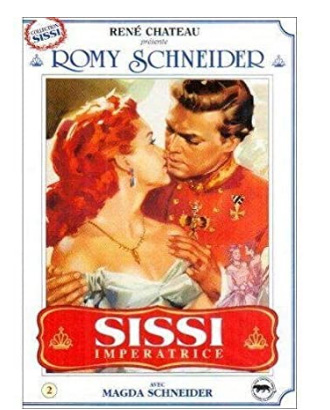
Sissi
Synopsis
In 1850s Bavaria, spirited young Princess Elisabeth, known as Sissi, lives a carefree life in the countryside, far from the stiff etiquette of court. When her mother takes her older sister Helene to Austria to meet the young Emperor Franz Joseph, Sissi tags along, and the Emperor falls in love with her instead. Their romance must overcome the disapproval of the strict Archduchess Sophie and the pressures of the imperial court. The film is a sweet, sunny fairy tale that ends with a grand wedding in Vienna.
The Making of the Film
Sissi is a romantic Austrian film directed and co-written by Ernst Marischka, loosely based on the real life of Empress Elisabeth of Austria and on earlier stage works about her. Marischka was a veteran of light, sentimental cinema, and he shaped the story as a gentle, idealized love story rather than a historical portrait. Sixteen-year-old Romy Schneider was cast as Sissi, while Karlheinz Böhm played the young Emperor Franz Joseph. The film was shot in rich color, with beautiful locations in Austria and Bavaria, including the imperial palaces. It was released in December 1955 and became the first part of a trilogy.
Reviews and Reception
Summary of Professional Reviews
Critics at the time welcomed the film as charming, elegant entertainment, and they singled out Romy Schneider's freshness and natural grace. Over the decades, more serious critics have pointed out how much the film simplifies and romanticizes history. Even so, its craftsmanship and lush visuals have been widely admired.
Audience Reception
The film was a huge hit in Austria and Germany and made Romy Schneider a star overnight. The three Sissi films have become a beloved Christmas tradition on television in German-speaking countries. For many viewers, the films are cherished nostalgic classics.
Filming Anecdotes
Director's Inspirations
Ernst Marischka wanted to create a picture-book fairy tale that would let audiences escape the hardships of the postwar years. He chose lavish costumes, sweeping landscapes and a light musical tone to give the story a dreamlike quality.
Production Difficulties
Shooting the film required elaborate costumes and period settings, and the production made use of real palaces to give it authenticity. Young Romy Schneider, who was only a teenager, had to carry the film on her shoulders and quickly adapt to the demands of stardom.
Casting initially planned
Romy Schneider's real-life mother, Magda Schneider, played Sissi's mother in the film, which added a warm family touch to the cast. Karlheinz Böhm, who played the Emperor, would later become known for very different roles.
Themes Explored
Sissi is a story about young love, duty and the clash between personal freedom and royal obligation. It shows a free-spirited girl suddenly confronted with the rigid rules of court life. The film also explores family relationships, particularly the tension between Sissi and her mother-in-law, Archduchess Sophie. The idealized portrait of monarchy reflects the nostalgia for a vanished world. Beneath the romance lies the first hint of the tension between private happiness and public role.
Ending Explained
The film concludes with the wedding of Sissi and Franz Joseph in Vienna, a grand ceremony that fulfills the fairy-tale promise of the story. The happy ending closes the first chapter of her life as empress. It deliberately leaves out the darker, more tragic aspects of the real Elisabeth's story, which the sequels only partially explore.
Meaning of the Title
The title is a pet name for Elisabeth, the Bavarian duchess who became Empress of Austria. "Sissi" has become a symbol of romance and imperial glamour in popular culture. The name is so closely tied to the film that many people remember it more than the real historical figure's official name.
Original Soundtrack
Anton Profes composed the gentle, waltz-inspired score, which gives the film its nostalgic, romantic atmosphere. The music contributes to the feeling of a fairy tale set in the grand courts of nineteenth-century Europe.
News
In 2022, a new television series called The Empress was released on Netflix, offering a darker, more modern version of Elisabeth's story. The series revived interest in the famous Empress and in the classic films.
Similar Films
- Sissi: The Young Empress: the direct sequel.
- Sissi: Fateful Years of an Empress: the final film of the trilogy.
- Ludwig: Visconti's darker take on the same era, with Romy Schneider.
- Marie Antoinette: a stylish portrait of a young queen.