

 Français
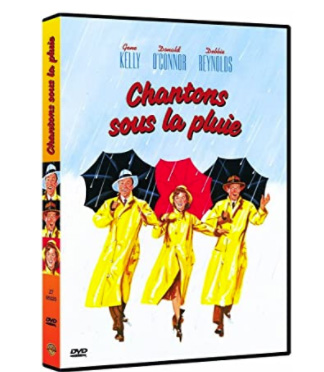
Singin' in the Rain
Synopsis
Set in Hollywood during the late 1920s transition from silent films to synchronized sound, popular swashbuckling movie star Don Lockwood finds his career threatened by the sudden technological revolution. Complicating matters further is his shrill, untalented co-star, Lina Lamont, whose grating voice threatens to ruin their studio's first major talking picture. When Don falls in love with a bright, aspiring stage actress named Kathy Selden, they hatch a secret plan to secretly dub Lina's voice and save the production. This exuberant musical masterpiece celebrates romance, comedy, and movie magic.
The Making of the Film
Producer Arthur Freed conceived the idea for a musical built around a catalog of pre-existing songs that he and composer Nacio Herb Brown had written for various Metro-Goldwyn-Mayer films over the previous two decades. Legendary writers Betty Comden and Adolph Green were hired to craft an original comedic screenplay that cleverly satirized the chaos of Hollywood's transition to sound. Directors Stanley Donen and Gene Kelly collaborated closely to integrate dazzling dance choreography directly into the narrative structure, pushing the boundaries of movie musicals.
Critical Reception and Reviews
While the film was a solid box-office success upon its initial release, its critical appreciation has grown exponentially over the decades, leading modern critics to hail it as the greatest movie musical ever made. Reviewers have consistently praised its infectious joy, brilliant satire of Hollywood vanity, and breathtaking choreography. Gene Kelly, Donald O'Connor, and Debbie Reynolds received widespread acclaim for their athletic and charismatic performances. The American Film Institute consistently places it near the very top of its lists of all-time American classics.
Behind the Scenes Anecdotes
During the filming of the famous title song sequence, Gene Kelly was running a 103-degree fever, yet he pushed through his exhaustion to deliver one of the most iconic dance numbers in cinematic history. Debbie Reynolds, who was a gymnast with no prior professional dance training, had her feet bleed through her shoes from grueling rehearsals under Kelly's demanding direction. Donald O'Connor performed his gravity-defying, wall-scaling stunts in 'Make 'Em Laugh' with such physical intensity that he had to spend a week recovering in bed afterward. The famous scene where Lina Lamont speaks into a misplaced microphone hiding inside her dress was inspired by real early-sound era technical mishaps.
Major Themes Explored
The film examines the disruptive nature of technological innovation and artistic evolution within the entertainment industry. It contrasts superficial celebrity and manufactured studio personas with genuine artistic talent and dedication. Furthermore, it celebrates the pure, unadulterated joy of artistic expression, romance, and collaboration.
Explanation of the Ending
At a theatrical premiere, the studio executives attempt to expose Lina Lamont by having her sing live behind a curtain while Kathy Seldon sings the real vocals into a microphone. When the curtain is suddenly pulled back to reveal the deception, Lina is publicly humiliated and flees the stage in disgrace. Kathy is revealed as the true voice and star, joining Don on stage as they proudly embrace their future together in both life and cinema.
Significance of the Title
The title Singin' in the Rain refers directly to the iconic musical number where Gene Kelly dances joyfully through a rainstorm, expressing his newfound love for Kathy. The rain symbolizes both a cleansing renewal and a playful disruption of ordinary life. It captures the exuberant, carefree spirit that defines the overarching tone of the musical.
An American in Paris, The Band Wagon, La La Land, A Star Is Born