

 Français
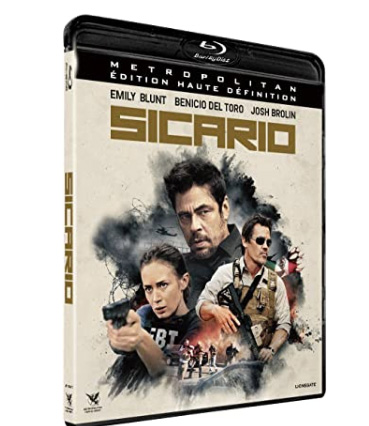
Sicario
Synopsis
Kate Macer is an idealistic FBI kidnapping-recovery agent in Arizona who is recruited by a mysterious Department of Defense official named Matt Graver for an elite task force targeting a powerful Mexican drug cartel. Alongside Graver and a silent, lethal Colombian operative named Alejandro, Kate participates in high-risk border raids and covert extractions. As the operation pushes deeper into Mexico, Kate realizes she is being used as a legal pawn in an unauthorized, morally bankrupt war run by the CIA. Stripped of her illusions, she must navigate a brutal world where conventional laws do not apply.
The Making of the Film
Screenwriter Taylor Sheridan drew inspiration from his observations of the brutal drug wars in Juarez, Mexico, crafting a script based on real federal task force experiences. Director Denis Villeneuve came aboard to helm the project, aiming to create a tense, atmospheric thriller exploring institutional morality and violence. Cinematographer Roger Deakins utilized striking thermal imaging and sun-drenched desert landscapes to establish a haunting visual tone. Emily Blunt was cast as the audience surrogate navigating the dark underworld.
Critical Reception
Critical reception for the film was universal critical acclaim, praised for Roger Deakins' breathtaking cinematography, Villeneuve's masterful suspense direction, and Benicio Del Toro's chilling performance. Critics lauded the movie for its unflinching examination of the moral cost of the war on drugs and its relentless tension. Audiences turned it into a major box office success, and it received multiple Academy Award nominations. It is widely regarded as one of the finest suspense thrillers of the 21st century.
Behind-the-Scenes Stories
Roger Deakins captured the iconic border crossing standstill sequence using natural desert twilight lighting to maximize visual tension. Benicio Del Toro famously argued with directors to remove several of his lines because he felt Alejandro would communicate more effectively through silence. Emily Blunt experienced genuine emotional exhaustion during the intense tactical raid and tunnel sequences. The production faced strict security precautions while filming near New Mexico border areas.
Themes Explored
The film explores moral compromise, institutional corruption, and the erosion of ethics in the war on drugs. It highlights the loss of idealism when confronted with insurmountable criminal savagery. Vengeance versus legal justice is embodied through Alejandro's secret personal agenda. It also examines the psychological toll of covert operations.
Ending Explained
Alejandro infiltrates the Mexican drug lord's compound, assassinating the kingpin and his entire family to avenge the murder of his own wife and daughter years prior. He confronts Kate at her apartment, forcing her at gunpoint to sign a document stating that the entire task force operation was conducted entirely within legal boundaries. Kate raises her gun to shoot Alejandro as he leaves but ultimately lowers it, choosing not to compromise her remaining morals. The conclusion leaves Kate disillusioned and isolated in a corrupt world.
Meaning of the Title
The title "Sicario" is a Mexican slang term translating to "hitman" or "assassin," referring directly to Alejandro's lethal role in the drug war. It highlights the brutality and professional nature of cartel violence. The single-word title sets a cold, menacing tone for the thriller.
Jóhann Jóhannsson composed a hypnotic, menacing orchestral and synthesizer score that earned widespread critical acclaim for amplifying relentless tension.
Sicario: Day of the Soldado, Prisoners, No Country for Old Men, Zodiac