

 Français
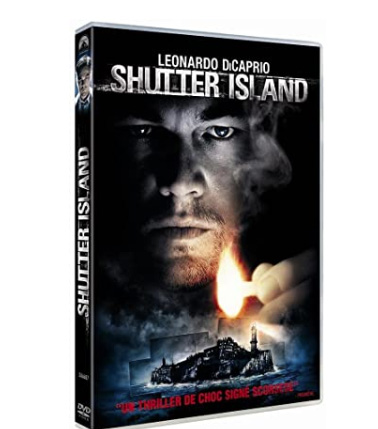
Shutter Island
Synopsis
In 1954, U.S. Marshal Teddy Daniels and his new partner Chuck Aule travel to Ashecliffe Hospital, a remote asylum for the criminally insane located on Shutter Island, Massachusetts. They are tasked with investigating the baffling disappearance of Rachel Solando, a patient who vanished from a locked room under impossible circumstances. As a violent hurricane cuts off the island from the mainland, Teddy uncovers disturbing psychiatric experiments, institutional cover-ups, and whispered conspiracies among the staff. Plagued by traumatic memories of his wife's tragic death and his WWII service, Teddy begins losing his grip on reality.
The Making of the Film
Adapted from Dennis Lehane's acclaimed 2003 psychological thriller novel, the project brought director Martin Scorsese and actor Leonardo DiCaprio together for their fourth cinematic collaboration. Scorsese wanted to pay homage to classic 1950s film noir, gothic horror, and psychological thrillers through striking visual design and eerie atmosphere. Screenwriter Laeta Kalogridis carefully mapped out the complex psychological clues hidden throughout the narrative. The production utilized remote Massachusetts coastal locations to create an authentic, isolated asylum setting.
Critical Reception
Critical reception for the film was generally positive, with reviewers praising its atmospheric tension, mesmerizing cinematography, and Leonardo DiCaprio's harrowing lead performance. Critics lauded Scorsese's mastery of suspense, gothic dread, and complex psychological storytelling. While some reviewers debated the predictability of its famous plot twist, audiences embraced its dark mystery, turning it into a major box office success worldwide. It remains celebrated as one of the finest psychological thrillers of the 21st century.
Behind-the-Scenes Stories
Leonardo DiCaprio and Mark Ruffalo spent weeks studying 1950s federal marshal protocols and psychiatric treatments to ensure authentic character portrayals. Director Martin Scorsese provided the cast with a curated list of classic horror and noir films to watch before filming to establish the desired tone. The storm sequences utilized massive water tanks and wind machines on set to create brutal, freezing weather conditions. Ben Kingsley brought chilling authority and ambiguous menace to his role as Dr. Cawley.
Themes Explored
The film explores trauma, guilt, grief, and the human mind's desperate mechanisms for coping with unbearable tragedy. It examines the ethics of mid-century psychiatric treatments, lobotomies, and institutional corruption. Reality versus delusion is a central psychological puzzle driving the plot. It also touches upon post-traumatic stress and government conspiracies.
Ending Explained
It is revealed that Teddy Daniels does not exist; he is actually Andrew Laeddis, a patient committed to Ashecliffe Hospital after murdering his unstable wife who drowned their children. The entire island investigation was an elaborate role-play psychiatric experiment designed by doctors to break through his intense psychological delusion and force him to confront reality. Andrew momentarily accepts the truth during the experiment, but his relapse the following morning leads him to choose voluntary lobotomy to escape his guilt. The final heartbreaking lines confirm he chose to "die as a good man" rather than live with his memories.
Meaning of the Title
The title refers directly to the isolated island asylum where the entire psychological thriller takes place. An anagram of "Truths and Lies," the name evokes mystery, confinement, and hidden secrets. The phrasing sets a chilling, gothic suspense tone for the narrative.
Robbie Robertson curated an avant-garde orchestral and classical music soundtrack featuring works by prominent modern composers that heightened the psychological dread.
Inception, The Departed, Memento, Jacob's Ladder