

 Français
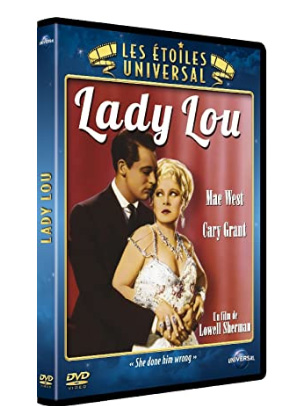
She Done Him Wrong
Synopsis
Set in New York City during the 1890s, Mae West stars as Lady Lou, a glamorous, wisecracking saloon singer and former dance hall queen with a penchant for wealthy men and diamonds. Living in a bustling Bowery hotel, she is surrounded by eager suitors, jealous rivals, and shady criminals. When a handsome undercover mission worker named Captain Cummings opens a nearby shelter, he tries to reform her while secretly falling in love with her charm. As past criminal associates close in, Lou uses her sharp wit to navigate romance and police investigations with style.
The Making of the Film
Director Lowell Sherman adapted the film from Mae Wests own massive 1928 Broadway hit stage play Diamond Lil. Paramount Pictures desperately needed a financial hit during the Great Depression and turned to West to bring her censorship-pushing theatrical persona to the screen. The project launched Mae West into global superstardom and saved Paramount from bankruptcy.
Critical Reception
Critics universally acclaimed She Done Him Wrong upon its release, praising Mae Wests fearless comedic timing, iconic one-liners, and magnetic screen presence. Reviewers recognized the film as a groundbreaking milestone in pre-Code Hollywood comedy, celebrating its cheeky embrace of sexuality and female empowerment. The film became an instant cultural phenomenon.
Public reception was explosive, making the low-budget comedy a massive box-office blockbuster worldwide and saving Paramount Pictures from financial ruin. Audiences fell in love with Wests outrageous confidence and unforgettable quotes like why dont you come up and see me sometime. It remains an immortal classic of cinema history.
The film earned an Academy Award nomination for Best Picture, a rare and prestigious honor for a comedy at that time. Mae West became an international pop-culture icon almost overnight. Its pre-Code cultural legacy is monumental.
Filming Anecdotes
Director Lowell Sherman drew inspiration from 1890s Bowery melodrama and Mae Wests unique theatrical vaudeville style. He gave West complete creative control over her dialogue and comedic delivery on set. His direction ensured that the naughty double entendres bypassed conservative censors before the strict Production Code took effect.
Production went smoothly on a modest studio budget, with West famously rewriting scenes and mentoring younger cast members, including a young Cary Grant. West wore elaborate diamond-encrusted period gowns that defined her legendary persona. The supporting cast embraced the fast-paced vaudeville comedic energy.
A legendary sequence features Mae West locking eyes with Cary Grant across a crowded saloon before delivering her immortal invitation to come up and see her sometime. The scene established one of the greatest on-screen chemistries in film history. Wests confident swagger anchored the moment.
The casting process was historic as Mae West personally handpicked a young, relatively unknown Cary Grant to play her leading man. Grant accepted immediately, launching his legendary Hollywood career. Supporting actors were chosen for their classic melodramatic villain archetypes.
Themes Explored
The film explores female sexual autonomy, gold-digging humor, Victorian-era hypocrisy, and self-reinvention. It celebrates women who take charge of their romantic and financial destinies without apology. Wit conquers male hypocrisy.
NULL
Title Significance
The title refers to the catchy old-time musical refrain associated with the protagonist heartbreak and romantic escapades. It highlights the playful, cynical attitude toward men in the plot.
NULL
NULL
Similar Films
Other similar films include I'm No Angel, The Awful Truth, and Gentlemen Prefer Blondes.