

 Français
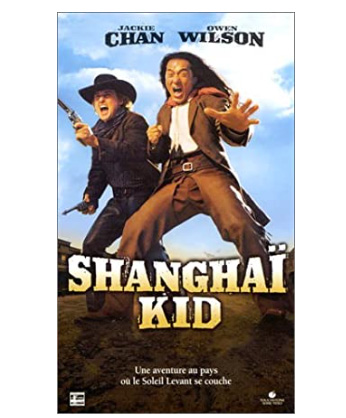
Shanghai Noon
Synopsis
In nineteenth-century China, Princess Pei Pei is kidnapped and taken to the American West, where she is held for ransom. Imperial guard Chon Wang travels across the ocean with a group of soldiers to help rescue her. Separated from his companions, he encounters Roy O'Bannon, an ambitious but unreliable outlaw who becomes his unlikely partner. Their journey through the American frontier brings together martial arts, cowboy adventures and constant cultural misunderstandings. As their friendship develops, Chon and Roy discover that the kidnapping is connected to a much larger conspiracy.
The The Making of the Film
The project was developed as a Western action comedy that would combine the traditions of American cowboy cinema with Jackie Chan's Hong Kong martial arts style. Screenwriters Alfred Gough and Miles Millar created the story around an unlikely partnership between a Chinese imperial guard and an American outlaw. The filmmakers wanted to explore the cultural contrasts between nineteenth-century China and the American frontier. Jackie Chan was selected for the leading role because his physical comedy and martial arts expertise were ideally suited to the concept. Owen Wilson was chosen to play Roy O'Bannon, providing a relaxed and improvisational comic counterpoint. Director Tom Dey was attracted by the opportunity to combine familiar Western imagery with unconventional action choreography. The screenplay used the historical setting as a framework for humour rather than attempting to present a strictly accurate historical drama. The project also benefited from the growing international popularity of Jackie Chan. The resulting film became a distinctive mixture of Western adventure, buddy comedy and martial arts entertainment.
Critical Reception and Audience Response
Professional Critical Reviews: The film received generally positive reviews, with many critics appreciating the unusual combination of Western conventions and martial arts comedy. Jackie Chan's physical performances were widely praised for their creativity and precision. Owen Wilson received favourable comments for his relaxed comic timing and natural chemistry with Chan. Several reviewers considered the pairing an effective variation on the traditional buddy-comedy formula. Some critics found the story predictable, but the film's entertaining performances and action sequences were generally well received.
Audience Reception: Audiences responded positively to the combination of cowboy adventure and Jackie Chan's distinctive fighting style. The relationship between Chon and Roy became one of the production's most appealing features. Viewers appreciated the visual comedy and the unusual setting, which offered a refreshing alternative to conventional martial arts films. The film also attracted attention from fans of Owen Wilson and Jackie Chan. Its commercial performance was sufficiently successful to encourage a sequel, Shanghai Knights, released in 2003.
Awards and Recognition: The film received recognition primarily for its popular entertainment value and the chemistry between its two leading actors. Jackie Chan's action choreography and physical comedy remained central to its reputation. The production also attracted attention for successfully combining two different cinematic traditions. Although it did not become a major awards contender, its popularity helped establish the Shanghai adventure series and demonstrated the commercial potential of Chan's Western collaborations.
Behind-the-Scenes Anecdotes
Director's Inspirations: Tom Dey approached the film as a playful meeting between the Western genre and Hong Kong action cinema. The production draws on classic cowboy stories involving sheriffs, outlaws, saloons and frontier towns. At the same time, Jackie Chan's style introduces a different approach to action, relying on environmental objects, improvisation and physical humour. The directors wanted the cultural contrast between Chon and Roy to generate comedy while allowing both characters to become genuine friends.
Production Challenges: The filmmakers had to recreate the visual atmosphere of the American frontier while accommodating complex martial arts choreography. The Western costumes, props and locations required careful preparation. Jackie Chan's sequences involved numerous physical movements and interactions with the environment, demanding extensive rehearsal. Owen Wilson's improvisational approach also required flexibility during dialogue scenes. The production needed to balance the traditional imagery of a Western with the more energetic visual language of Hong Kong action cinema.
A Memorable Scene: The saloon confrontations provide some of the film's most memorable examples of Jackie Chan's physical comedy. Chon uses ordinary objects and unexpected movements to overcome opponents, transforming the environment into part of the choreography. Roy's reactions create a comic contrast with Chon's remarkable fighting abilities. The sequence captures the central appeal of the film: an apparently traditional Western setting in which conventional expectations are constantly overturned.
Originally Considered Casting: Jackie Chan was selected to play Chon Wang, while Owen Wilson became Roy O'Bannon. Lucy Liu was cast as Princess Pei Pei, and Brandon Merrill appeared as Falling Leaves. The chemistry between Chan and Wilson was central to the film's development. Their contrasting comic styles helped create a partnership that could support both action and dialogue-driven humour. No unverified alternative lead casting details need to be presented as established facts.
Themes Explored
The film explores friendship between people from different cultures and social backgrounds. Chon and Roy initially have different priorities, but their shared experiences gradually create mutual respect. Cultural misunderstanding provides much of the humour while also illustrating how people can overcome unfamiliar customs. Loyalty and courage become important as Chon attempts to rescue the princess. The story also examines the tension between authority and individual freedom through its portrayal of outlaws and imperial guards. Honour and personal responsibility influence Chon's decisions throughout the adventure. The Western setting allows the filmmakers to play with familiar ideas about justice, heroism and frontier life. Ultimately, the film celebrates friendship and cooperation across cultural boundaries.
Explanation of the Ending
The final confrontation reveals the full extent of the conspiracy surrounding Princess Pei Pei's kidnapping. Chon and Roy must confront the individuals responsible for exploiting the princess and manipulating the political situation. Their combined abilities prove decisive, with Chon relying on his martial arts expertise and Roy using his knowledge of the American frontier. The princess is eventually freed and the criminal plan is defeated. Chon also discovers that his journey has changed his understanding of loyalty and friendship. Roy, who initially appeared motivated primarily by personal gain, demonstrates that he is capable of genuine courage. Their relationship becomes the emotional centre of the conclusion. The ending establishes their partnership as the foundation for further adventures.
Meaning of the Title
The title Shanghai Noon combines a reference to Shanghai, representing the Chinese origins of Chon Wang, with a playful variation on the famous Western expression High Noon. The latter is associated with the classic American Western tradition and confrontations in frontier towns. By replacing the word high with Shanghai, the filmmakers signal the unusual meeting between Chinese martial arts and the American cowboy world. The title is deliberately humorous and immediately communicates the film's cultural crossover. It also reflects the mixture of Western adventure and comedy that defines the story.
Original Soundtrack
Randy Edelman composed the original score, creating music that combines traditional Western influences with energetic action themes. The soundtrack helps establish the atmosphere of the American frontier while accommodating Jackie Chan's martial arts sequences. Its orchestral passages support the adventurous spirit of the story and reinforce the contrast between the two central characters. The film also uses popular songs to strengthen its playful Western atmosphere. The music contributes to the production's identity as a light-hearted adventure rather than a conventional historical Western.
Similar Films
Shanghai Knights (2003): The direct sequel, continuing the adventures of Chon and Roy in a new international setting.
Rush Hour (1998): A buddy action comedy featuring Jackie Chan and a contrasting American partner.
Shanghai Express (1932): A classic film whose title evokes a different cinematic exploration of Shanghai and international adventure.
The Mask of Zorro (1998): An adventure combining humour, sword fighting and traditional Western-style heroism.
Maverick (1994): A comic Western built around an unconventional hero, deception and frontier adventures.