

 Français
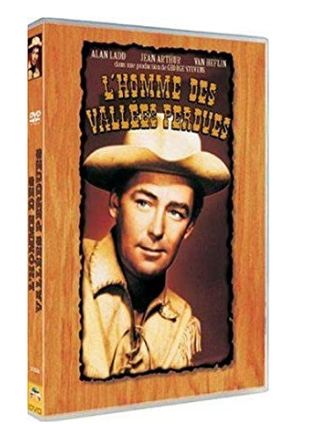
Shane
Synopsis
Set in the Wyoming territory during the late 19th century, Starrett family homesteaders struggle to protect their small farm from a ruthless cattle baron named Ryker who is trying to drive all independent settlers off the open range. One afternoon, a mysterious, quiet stranger wearing buckskin and a gun belt named Shane rides onto their ranch looking for honest work. Joe Starrett hires Shane as a farmhand, and the gunfighter forms a deep, protective bond with Joe wife Marian and their young son Joey, who idolizes him. As cattle baron violence escalates, Shane realizes he must put on his gun belt once more to purge the valley of outlaws before riding off into the sunset.
The Making of the Film
Director and producer George Stevens adapted the classic western from Jack Schaefer bestselling 1949 novel of the same name. Stevens wanted to craft a visually breathtaking Technicolor western elevating frontier folklore into American myth. Paramount Pictures financed the prestige production, focusing heavily on widescreen landscapes and moral heroism.
Critical Reception
Critics universally acclaimed Shane upon its release, praising George Stevens majestic Technicolor cinematography, Loyal Griggs Oscar-winning visuals, and Alan Ladd iconic lead performance. Reviewers lauded the film for its mythic framing of the western gunfighter through the innocent eyes of a child. It is universally celebrated as a masterpiece of American cinema.
Public reception was phenomenal, turning the western into a massive box-office blockbuster worldwide and a defining cultural classic. Audiences fell in love with young Brandon de Wilde crying out Shane! Come back! at the climax. Its cultural footprint is monumental.
The film earned six Academy Award nominations, winning the Oscar for Best Cinematography (Color) for Loyal Griggs. Alan Ladd, Jack Palance, and George Stevens earned widespread Oscar recognition. Its critical legacy is untouchable.
Behind-the-Scenes Stories
Director George Stevens drew inspiration from classic Arthurian knight legends, western folklore, and Frederic Remington paintings. He chose stunning location shooting in Jackson Hole, Wyoming, capturing majestic mountain backdrops. His direction pushed Alan Ladd to cultivate a quiet, mythical gunfighter persona.
Production went smoothly under Stevens meticulous directorial control, famously shooting take after take to achieve visual perfection. Alan Ladd practiced his quick-draw gun handling rigorously with stunt coordinators. Jack Palance brought terrifying, chilling menace to his villainous gunslinger role.
A memorable sequence features young Joey running desperately across the dusty valley shouting Shane! Come back! as the wounded gunfighter rides alone into the mountain horizon. The scene is one of the most famous conclusions in western history. The emotional resonance moved audiences universally.
The casting process went through adjustments as Montgomery Clift was originally cast as Shane before dropping out due to contractual issues, allowing Alan Ladd to step in and deliver his definitive career-defining role. Jean Arthur came out of retirement for Marian Starrett.
Themes Explored
The film explores frontier mythology, violence versus peace, hero worship, homesteading, and moral duty. It highlights how righteous violence is sometimes necessary to protect innocent families. Legends ride away into the sunset.
NULL
Meaning of the Title
The title refers directly to the mysterious drifter and gunfighter whose arrival and sacrifice define the entire frontier community. It highlights the mythic titular hero driving the western drama.
NULL
NULL
Similar Films
Other similar films include The Searchers, High Noon, and Unforgiven.