

 Français
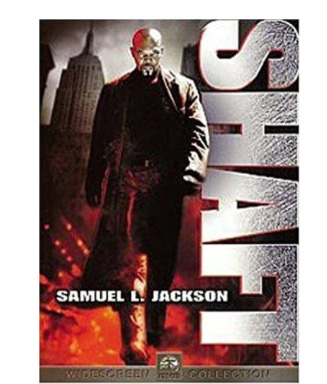
Shaft
Synopsis
JJ Shaft is a cautious, tech-savvy FBI data analyst who grew up away from his legendary father, the tough-talking private detective John Shaft. When JJ's childhood friend dies under suspicious circumstances, he reluctantly turns to his estranged father for help. The two men could not be more different, and their clash of styles is a constant source of comedy. Together, they plunge into Harlem's underworld to uncover the truth.
The Making of the Film
The character of John Shaft was created by author Ernest Tidyman in his 1970 novel, and was made famous by the 1971 film starring Richard Roundtree. This 2019 film is a sequel to the earlier movies, rather than a straight remake, and brings the franchise into the present day. Director Tim Story, known for comedies such as Barbershop, was chosen to give the series a lighter, more humorous tone. The screenplay, by Kenya Barris and Alex Barnow, focuses on generational clashes, with three Shafts representing three different eras of masculinity. Samuel L. Jackson returned as John Shaft, while Richard Roundtree reprised the original role.
Reviews and Reception
Summary of Professional Reviews
Reviews were largely negative. Many critics felt the film leaned too heavily on crude jokes and clichés, and that it lacked the cool style of the original. Samuel L. Jackson's charisma was frequently cited as a highlight, though some reviewers thought the humor undermined the franchise's legacy.
Audience Reception
Audience reactions were noticeably warmer than those of critics, with many viewers enjoying its lighthearted tone and the chemistry between Jackson and Jessie T. Usher. The film found a modest following among fans of buddy comedies and action movies. Others, however, felt it strayed too far from the spirit of the classic character.
Filming Anecdotes
Director's Inspirations
Tim Story wanted to honor the legacy of the original while reframing the series as a comedy about three generations. The film pokes fun at changing attitudes toward masculinity, using the old-school Shaft as a foil for his modern-minded son.
Originally Planned Casting
One of the most celebrated aspects of the project was bringing back Richard Roundtree, the original Shaft, in a significant role. His presence connects the new film to its roots and gives fans a satisfying link to the earlier movies.
Themes Explored
Shaft explores the gap between generations and the way ideas of manhood change over time. John Shaft's tough, swaggering approach to life contrasts sharply with his son's sensitive, technology-driven mindset. The film also looks at family, absent fathers and the difficulty of building a relationship after years of distance. Humor is used to question outdated attitudes, though the film itself sometimes embraces them. Underneath the jokes is a story about legacy and what we choose to inherit.
Ending Explained
In the final act, JJ and his father, together with the original Shaft, take on the villains responsible for the death of JJ's friend. The last scenes bring all three generations together, turning the family conflict into a kind of reconciliation. By the end, JJ has gained a new respect for his father's unorthodox methods, and the older men have learned to appreciate JJ's skills. The movie wraps up with an upbeat, crowd-pleasing finish.
Meaning of the Title
The title is simply the surname of its hero, John Shaft, a name that has been associated with cool, tough-guy cinema since the early 1970s. By using the same name for the film, the story emphasizes that this is a family legacy. The title also hints that the Shaft name is something that gets passed down, along with its reputation.
Original Soundtrack
The film brings back Isaac Hayes' legendary "Theme from Shaft", an iconic piece of funk that won an Oscar for the 1971 film. Hearing it again serves as a nostalgic wink for fans and gives the new movie some of the old movie's swagger.
Similar Films
- Shaft (1971): the original film that started it all.
- Lethal Weapon: a classic buddy-cop action comedy.
- Rush Hour: a high-energy comedy about two clashing partners.
- Bad Boys: another action-comedy about contrasting cops.