

 Français
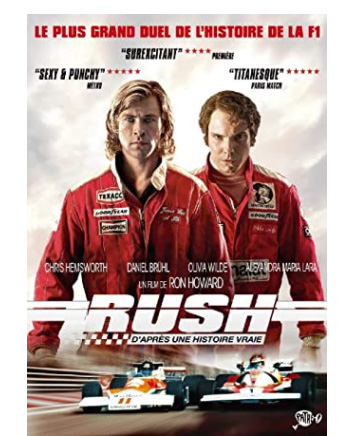
Rush
Synopsis
Set against the glamorous and deadly golden age of Formula One racing in the 1970s, the film chronicles the fierce, legendary rivalry between two contrasting drivers: the charismatic, hedonistic British playboy James Hunt and the methodical, disciplined Austrian perfectionist Niki Lauda. Pushing each other to the absolute brink of physical and psychological endurance on dangerous tracks across the globe, their intense competition culminates in the fateful 1976 racing season. When Lauda suffers a horrific, fiery crash at the Nürburgring that nearly claims his life, his miraculous return to the cockpit weeks later defies all medical logic. The biographical sports drama delivers high-octane racing action and profound character rivalry.
The Making of the Film
Director Ron Howard and screenwriter Peter Morgan developed the biographical sports drama after Morgan became fascinated by the real-life psychological chess match between Hunt and Lauda. The inspiration stemmed from capturing the genuine mutual respect underlying one of sports history's greatest rivalries. The production team worked closely with Formula One experts, utilizing authentic vintage race cars and custom replica chassis to ensure total mechanical accuracy. The script was meticulously structured to balance pulse-pounding racing thrills with intimate human drama.
Critical Reception and Reviews
Professional critics widely acclaimed the film as one of the finest sports dramas ever made, praising Ron Howard's kinetic direction, Peter Morgan's sharp script, and stellar lead performances by Chris Hemsworth and Daniel Brühl. Reviewers lauded Brühl's uncanny transformation into Niki Lauda and Hemsworth's magnetic charisma as James Hunt. Critics noted that even non-fans of motorsport were captivated by the psychological intensity of the rivalry. Public reception was enthusiastic worldwide, turning it into a box-office success. The film earned numerous Golden Globe and BAFTA nominations.
Filming Anecdotes
Director Ron Howard drew visual inspiration from 1970s documentary racing footage, using specific color grading and vintage camera lenses to evoke the period. Production took place on location across historic European racetracks in the UK, Germany, and Austria, utilizing real vintage racing cars where possible. During the filming of the terrifying Nürburgring crash sequence, Daniel Brühl underwent hours of daily prosthetic makeup application to recreate Lauda's burn injuries. The real-life Niki Lauda served as a consultant, praising Brühl's performance.
Themes Explored
The film explores intense rivalry, motivation through hatred versus respect, mortality, physical recovery, and the pursuit of excellence.
The emotional climax sees Lauda conceding the final rainy championship race in Japan due to safety concerns, cementing his wisdom over reckless glory while sealing a lifelong bond with Hunt.
Meaning of the Title
The title refers directly to the psychological and physical adrenaline rush experienced by race car drivers living on the razor's edge of life and death.
Original Soundtrack
Hans Zimmer composed an electrifying, roaring orchestral rock score featuring soaring electric guitars and heavy synthesized percussion that captured the speed of Formula One.
The film remains a celebrated gold standard in biographical sports cinema, cherished for its gripping racing sequences and character depth.
Ford v Ferrari, Senna, Days of Thunder