

 Français
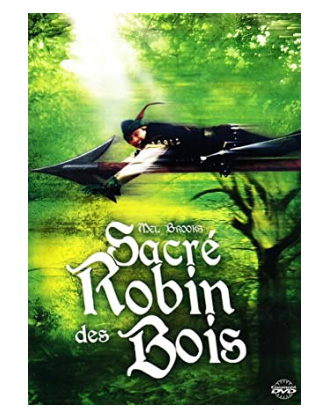
Robin Hood: Men in Tights
Synopsis
Robin of Loxley escapes from a Jerusalem prison and returns to England to find his family estate seized by the corrupt Prince John and the villainous Sheriff of Nottingham. Teaming up with a hilarious band of merry outlaws, including Little John and Ahchoo, Robin vows to fight for the poor. He also seeks to win the heart of the sharp-witted Maid Marian, whose chastity belt poses a unique comedic obstacle. Through slapstick sword fights and musical numbers, the rebels overthrow tyranny with nonstop laughter.
Genesis_of_the_Film
Co-writer, producer, and director Mel Brooks conceived the parody to lampoon the serious tone of recent Hollywood adaptations like Robin Hood: Prince of Thieves. Brooks wanted to combine slapstick sight gags, fourth-wall breaks, and musical numbers into a fast-paced medieval spoof. 20th Century Fox financed the comedy, giving Brooks creative freedom to satirize cinematic clichés.
Critical Reception
Critics gave the film mixed reviews, with some praising its goofy charm, energetic slapstick humor, and Cary Elwes winning lead performance. Other reviewers felt that the comedic style was uneven compared to Brooks earlier masterpieces like Blazing Saddles or Young Frankenstein. Over the decades, however, the film has achieved cult status among comedy fans.
Public reception was warm, turning the medieval spoof into a solid box-office success worldwide. Audiences enjoyed the relentless barrage of puns, physical comedy, and memorable supporting characters like Dave Chappelle in his film debut. It remains a beloved nostalgic comedy.
The film earned recognition within comedy fan communities for its endlessly quotable lines and playful self-awareness. Cary Elswes charming performance established him as a master of parody comedy. Its enduring comedic legacy remains bright among comedy lovers.
Filming Anecdotes
Director Mel Brooks drew inspiration from classic Errol Flynn swashbucklers and traditional fairy-tale tropes while injecting signature Jewish and American pop-culture humor. He encouraged the cast to improvise physical gags and break the fourth wall regularly during shooting. His direction kept the comedic energy fast and lighthearted throughout production.
Production went smoothly on studio backlots and authentic forest locations in California. Cary Elwes underwent rigorous sword-fighting training to master fencing stunts while keeping the tone completely comedic. The cast bonded closely, often laughing between takes during absurd musical numbers.
A memorable sequence involves Robin Hood and his merry men executing a synchronized tap-dance routine in the middle of Sherwood Forest. The scene highlights the absurd musical parody elements characteristic of Brooks filmmaking style. The cast performed the choreography with infectious enthusiasm.
The casting process united a brilliant ensemble of comedic actors. Cary Elwes was cast as Robin Hood because of his natural swashbuckling charm demonstrated in The Princess Bride. Dave Chappelle made his impressive feature film debut as Ahchoo, bringing fresh comedic energy to the ensemble.
Themes Explored
The film explores cinematic parody, authority corruption, medieval folklore, and lighthearted rebellion. It satirizes heroic adventure tropes through deliberate absurdity and slapstick comedy. Joy and laughter conquer tyranny.
NULL
Title Significance
The title directly parodies traditional Robin Hood films while poking fun at medieval men wearing tights in the forest. It highlights the playful, self-deprecating comedic tone of the parody.
NULL
NULL
Similar Films
Other similar films include Blazing Saddles, Spaceballs, and Hot Shots!.