

 Français
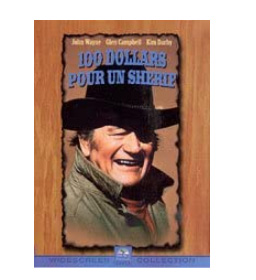
Rio Lobo
Synopsis
Set during the final days of the American Civil War, Union Colonel Cord McNally witnesses a Confederate train carrying a payroll gold shipment get hijacked by Union traitors operating within his own ranks. Following the war, McNally teams up with two former Confederate officers who were once his enemies to track down the corrupt Union saboteurs and gold thieves who betrayed their comrades. Their search leads them to the lawless Texas border town of Rio Lobo, which is terrorized by a ruthless gang of outlaws led by the crooked former Union major. Through tense showdowns, gunfights, and frontier justice, the men settle old scores and liberate the town.
The Making of the Film
Director and producer Howard Hawks conceived the traditional western as the unofficial final installment of his loose frontier trilogy following Rio Bravo and El Dorado. Hawks wanted to craft a classic western celebrating camaraderie, loyalty, and frontier justice. National General Pictures financed the traditional production as the legendary directors final feature film.
Critical Reception
Critics gave the film mixed reviews upon its release, noting that while it featured Hawks signature directorial craftsmanship and classic western themes, it felt somewhat derivative of his earlier masterpieces like Rio Bravo. Reviewers praised John Wayne commanding lead performance and the nostalgic western atmosphere. Over time, film historians have appreciated it as a dignified swan song for a legendary director.
Public reception was modest, resulting in a decent box-office run that appealed primarily to loyal fans of traditional John Wayne westerns. Viewers enjoyed the familiar gunfights, loyal camaraderie, and frontier justice. It remains an interesting late-career western.
The film did not receive major mainstream cinematic awards, reflecting its traditional western standing. John Wayne timeless screen presence was celebrated by film fans. Its historical significance as Howards Hawks final film is profound.
Behind-the-Scenes Stories
Director Howard Hawks drew inspiration from classical western folklore, Civil War history, and his own legendary filmography. He chose authentic, sun-baked desert locations in Mexico and Arizona to replicate the rugged Texas borderlands. His direction pushed John Wayne to portray a weary, seasoned veteran officer with effortless authority.
Production went smoothly, supported by experienced stunt coordinators and Hawks relaxed, collaborative crew environment. John Wayne brought his iconic swagger and western toughness despite battling health issues during the shoot. Supporting actors added youthful energy to the frontier ensemble.
A memorable sequence involves the heroes staging a tense daytime ambush at the local jailhouse using clever trickery and concealed revolvers. The scene showcases classic Hawksian tactical teamwork under fire. Wayne commanding presence anchored the shootout.
The casting process brought together legendary western star John Wayne for his final collaboration with Howard Hawks. Wayne was the absolute first choice for Colonel McNally. Supporting actors like Jorge Rivero and Chris Mitchum added rugged frontier presence.
Themes Explored
The film explores frontier justice, loyalty, overcoming Civil War hatreds, camaraderie, and vengeance. It highlights how former enemies can unite against common corruption. Honor triumphs over greed.
NULL
Meaning of the Title
The title refers directly to the name of the isolated Texas border town where the final showdown against corrupt outlaws takes place. It highlights the geographical center of the frontier conflict.
NULL
NULL
Similar Films
Other similar films include Rio Bravo, El Dorado, and The Wild Bunch.